We are on our way to the Gaza Envelope. That means we are visiting the sites that were directly attacked by Hamas on October 7th. They are within miles of the Gaza border. We have Rafael (our security guard) with us today; we have helmets with us today; we have had a security briefing on what happens if there is a red alert. (Siren that warns of incoming mortar or missles). Perhaps I am totally naive, but I am not overly anxious.
Why are we going? To learn; to bear witness; to show solidarity; to understand what was and what is; to experience a small piece of the nightmare of 10.7. As we were driving down from Tel Aviv, Rafael put on a Kippah and Tefillin. My guess is that Rafael is in his twenties; when Eileen was introduced to him, she said, “You’re too cute to be a security guard.” I am going to try and ask him how he identifies religiously.
It is many hours and many experiences and many tears, anger and laughter later. We are back at our hotel in Tel Aviv. I need time to process it all. Our first stop was Kibbitz Nir Oz and then the Nova Festival Site. Both were ground zero for the morning of October 7th and visiting them you mourn, remember, witness the pain and have too many unanswered questions.
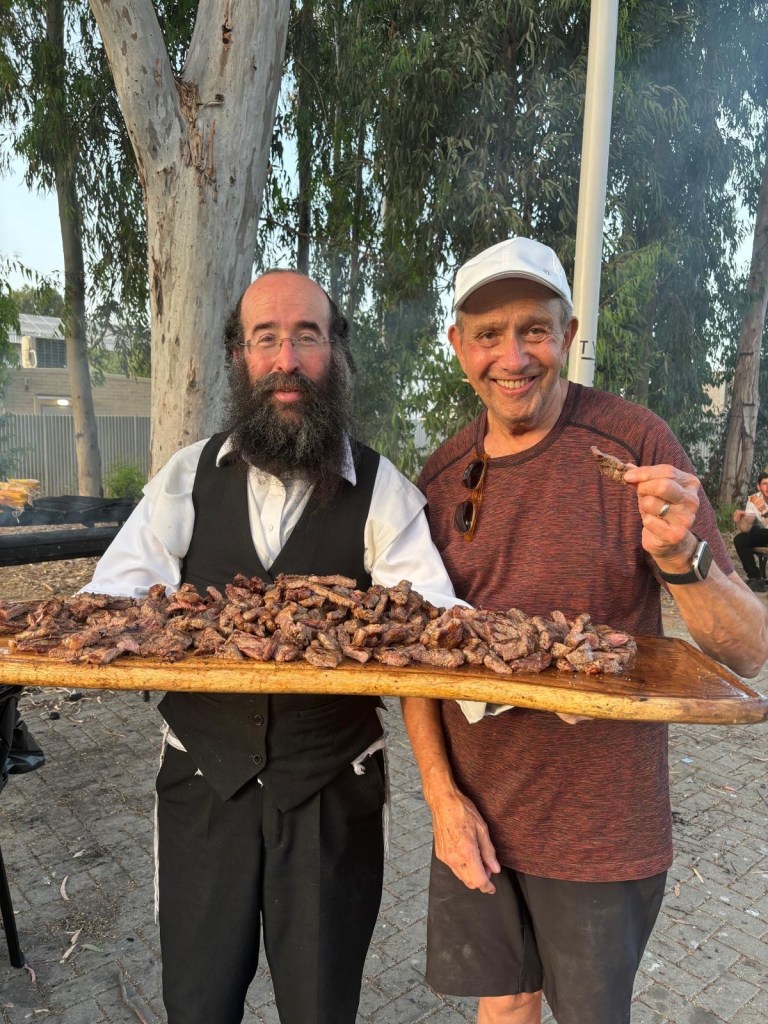
At the end of the day, we visited an Army base, home of the engineer corps of the IDF. They asked us not to take pictures of their faces or parts of the base. They are responsible for exploring, discovering and clearing the tunnels in Gaza. We walked through one of their training facilities and provided and shared a barbecue dinner. The picture above is one of the volunteer cooks and me. Quite an experience and a better way to end our day – showing our appreciation and gratitude to these young men and women who are on the front line defending Israel and us.
There are signs all over Israel: We Are Stronger Together.
Eileen does not do digital fluidly. So, we have a drawer full of recipes she has printed from any number of internet sources. Yesterday I decided that I would begin to enter them into a recipe file on my desktop. I began by typing them. Then I figured out that I could take a picture of them with my phone and air drop them to my computer. That works with those recipes that are one pagers. I don’t know how to combine multi-page recipes into one doc. We all have our limitations, that’s for sure.
Now it is amazing to me that I have decided to go back to blogging and begin with food. Well, it is Passover and for some reason I am always hungry. And believe me I eat plenty of Matzah: Matzah with whipped butter and salt; matzah with thick strawberry jam; gluten free onion matzah with just about anything that isn’t sweet. Left over Sephardic charoset (the kind that is pasty) as candy. And those dark chocolate covered apricots they sell in Costco…. Don’t ask.
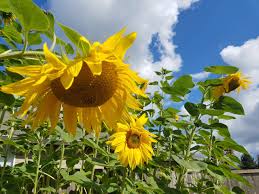
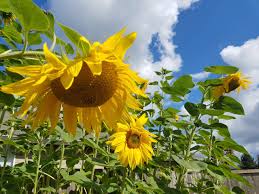
Which brings me back to why I am beginning again with food. Cause I can’t handle the world. There is a reason why some of my sunflowers hangs their heads in shame. They can’t look. It is too painful. The weight of the nightly news oppresses. Better to look away and find other distractions. I am guessing that if there are any of you who are still willing to read my “unplugged”, you are disappointed.
I am also. I don’t believe we have the luxury or a right to “look away”. Isn’t that the sin of all good people? And I’ve made my donations to Ukraine and HIAS and candidates I believe in; and I wear a mask on a plane; and I got my fourth booster; and I follow the news both morning and night; ….
But this is just almost too much. Maybe I’m just old. And it is easier to do wordle than to engage the world. Yea…. I agree. I need a more up lifting ending. But maybe you begin by recognizing where you are. And I am ashamed of the state of my mind, the state of my state and the state of our world. And I don’t see myself as depressed. I feel I am just stating what is real.
Enough. Tomorrow is a new day and a new dawn and the possibility of new blessings.
(A note of explanation: A friend called and said, “I will be alone Seder night. I am not comfortable with zoom – can you help me find a way to celebrate.” This is what came up …. A little long for my regular posts …. But here for you to use as you see fit ……
This night is different. Locked down; socially distant; isolated and feeling fearful of the next news cycle; wondering will the “plague” pass over my house and the homes of my loved ones. This night is different. It is hard to think of Seder meaning order when so much that is happening around us seems so random.
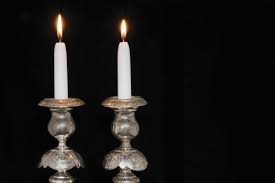
This night is different. The candles we light are festive reminders of faith and hope. I hear my mother blessing with her lips the Hebrew formula of praise and pleading with her heart the motto of her depression: This too shall pass. The flickering flames fight for survival. We need them to win; we need them to brighten the darkness of despair; to lift the veil so that we can see there is a way up and out of this vast and deep valley of desolation.
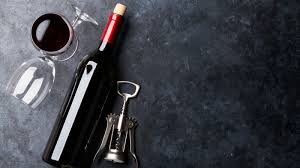
Thank God for wine. Whether red or white or any color in-between, pretend you are a master wine connoisseur, and let it linger in your mouth. Taste the earth, musky and full or dry and acid. There is a miracle on your tongue, the process from seed to bottle. It is worthy of blessing.
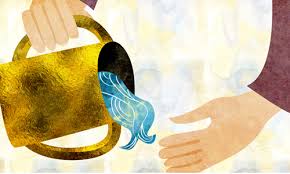
This night we wash. Hands in water in a bowl. In my house I pour from a pitcher and as a blonde and blue-eyed acolyte robed in white and red in a soaring cathedral, I offer my “priest” (the youngest child) the purity of being cleansed. But forget my silly fantasy. Add some soap to defeat the virus. Forget the bowl and pitcher. Wash well and as you lather sing an early Dayenu.
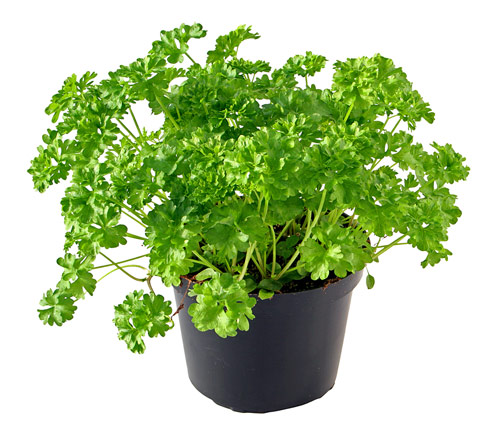
Parsley, peas and peapods, anything that grows green. It is Spring after all. And that means hope dipped in salt water. And that means we will get through this. And that means: Next year in Jerusalem, Paris or even Rome. That means next year in a crowded room, shoulder to shoulder, hot and sweaty, my good clothes itchy against my skin. Next year back too long and boring and when will we eat.
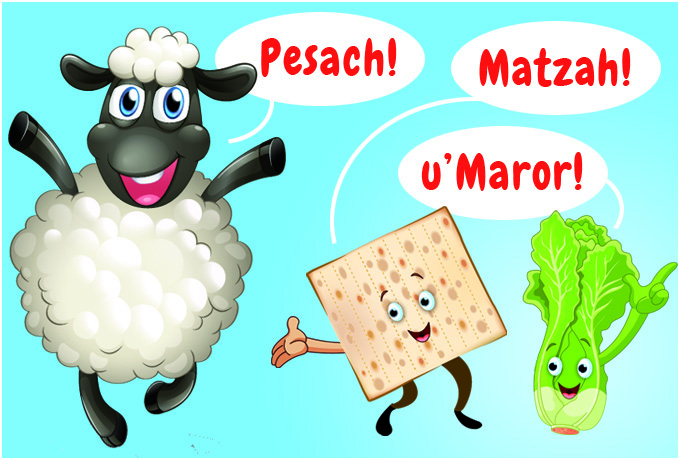
I guess this is turning out to be a different Haggadah or more precisely a different Seder. I don’t think I’ll get to all 14 steps and who has the patience for this anyway. It’s really all about the Matzah and the story that it tells. Rabbi Gamliel is quoted in the Haggadah as saying: “Anyone who has not said the following three things on Pesach has not fulfilled their obligation: the Passover sacrifice, matzah and maror.” So I’m saying them.
Pesach – in ancient times the sacrifice and aroma of roasting lamb. How much has to be sacrificed in order to preserve the miracle of freedom. The willingness to believe that we can be redeemed. That there is a force in the universe we can tap into to light our way and walk the murky path through a sea of reeds to the other side.
Matzah – break it now. Break it into two uneven pieces. (It would be a miracle if it split evenly.) The larger piece gets hidden. Maybe in the folds of your napkin; maybe in the margins of the book; maybe under a pillow; maybe behind a piece of furniture – hidden for a different generation to find. Because the story we tell of Egypt, slavery and the road to redemption is not just the story of us; it is the story of every generation; it is the story of them. I know we call it the bread of affliction but have you ever had matzah slathered with whipped butter and strawberry jam?
Maror – The Bitter herb. How much more do I need to say. It isn’t about denying the bitterness that comes with living. It isn’t about negating how hard it was to be a slave to Pharaoh. It is about recognizing the bitterness and finding a way to make it somewhat sweeter – like dipping the horseradish root into that mixture of apples or dates and nuts or apricots and wine and cinnamon or cardamom to make it bearable. So do you know what lettuce wraps look like in a restaurant: wrap your bitterness with the sweetness of family, friends, love, affection even if you have to do it from memory. Eat the Maror any way that works for you. But I would do it like Hillel used to, sandwiched between two pieces of Matzah, savoring with every bite the sweet and sugary stuff we call LIFE.
OMG! I almost forgot. Have you been sipping the wine? I hope so. The Seder calls for four glasses – each has its own promise. And with each sip we bless the story of liberation that we tell. It is a retelling of ancient truths that we are in this together. That we will find a way out of this together. That we do not tell this story just for us. We tell it to change the world connecting love and loss with life and liberty.
The Haggadah ends with a song about a parent and a goat. In one of my favorite poems, Nathan Alterman brings the song to life as his words help me conclude my Passover story. We are all clinging to the edges of the pages. We are living in the margins. But the strength of Passover is the promise of an open door and a world where plagues are drops of wine and each of us is living unafraid singing about tomorrow.
The Kid of the Haggadah
There in the market place, bleating among the billy goats and nannies, Wagging his thin little tail—as thin as my finger— Stood the Kid—downcast, outcast, the leavings of a poor man’s house, Put up for sale without a bell, without even a ribbon, for just a couple of cents.
Not a single soul in the market paid him any attention, For no one knew—not even the goldsmith, the sheep-shearer— That this lonesome little Kid would enter the Haggadah And his tale of woe become a mighty song.
But Daddy’s face lit up, He walked over to pat the Kid’s forehead—and bought him. And so began one of those songs That people will sing for all history.
The Kid licked Daddy’s hand, Nuzzled him with his wet little nose; And this, my brother, will make the first verse of the song: “One only Kid, one only Kid, that my father bought for two zuzim.”
It was a spring day, and the breezes danced; Young girls winked and giggled, flashed their eyes; While Daddy and the Kid walked into the Haggadah To stand there together—small nose in large hand, large hand on small nose.
To find in the Haggadah— So full already of miracles and marvels— A peaceful place on the last page, Where they can hug each other and cling to the edge of the story.
And this very Haggadah whispers, “Join us…you’re welcome here … you belong, Among my pages full of smoke and blood, Among the great and ancient tales I tell.”
So I know the sea was not split in vain, Deserts not crossed in vain— If at the end of the story stand Daddy and the Kid Looking forward and knowing their turn will come.
It’s time to write a book. Or at least it’s time to put my files in order. Or maybe buy that scanner and get rid of all that paper. Or start an online course or find a good book but of course I am doing none of it. All I tend to do is run down my battery on my laptop.
Although I did make a “Mellow” playlist this morning on Spotify. Kudos (there is probably a more “woke” word than that) to Lab/Shul for their link to a Healing Playlist. https://open.spotify.com/playlist/6ZLvq2LbdOxDn6MMsBFA1B
It probably isn’t for everyone, but it felt good to at least do something. (PS – it is possible the link won’t work unless you have Spotify — above my pay grade.)
I don’t know about you, but I feel somewhat powerless. I am observing the laws of social distancing and sheltering in place. Whoever came up with these phrases did a good job knitting them into our shared language pool. I am washing my hands way more than ever before and have discovered that the creases in between my fingers are part of my hands as are the backs or tops and they all need to be scrubbed in the 2X Happy Birthday ritual. I am not making fun of any of this. I am commenting to myself how we create and develop new social norms.
What is true for me is that as isolating as all of this can be, the reality that it teaches me is that we are part of the same collective. There is an organic connection between us, and the virus is teaching us to be conscious that we are connected in many more ways than we ever thought. It is teaching us to be appreciative of the people who care for us like the medical community, like the education community, like the people who stock the shelves of our grocery stores, like the manager at Publix who greeted everyone who was in line to get into the store cheerfully, handing them an already sanitized cart.
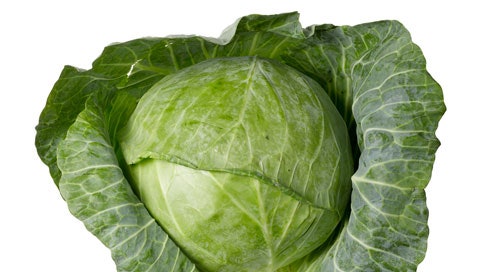
It is making us adapt in large and small ways. Like I thought we were making chicken soup today but there was no chicken. So, I am going to try and recreate my mother’s sweet and sour cabbage borscht. (I guess the book will have to wait.) It is reminding us to be kinder It is connecting us even as it separates us. Loudly and clearly it says: this is a very small world and what happens in China happens here. And wouldn’t it be great if at the end of the day it motivated our world to work collectively and cooperatively because all borders are really artificial.
I don’t usually do this but to “get” this blog you might like to go back a few months to the blog of January 17th titled, “Is It Good Enough?” It was about these blue cards I found that date back to the 70’s – sermons – typed – like on a typewriter – and filed away, forgotten till now.
I was reluctant to read them, not knowing what I would find: Were they good; have I grown; did I bring insight and meaning to my listeners? They are my “chameitz” – the yeast that causes the dough to rise. Passover is over but all that attention to labels and order freed me from the power of the past to bubble up and control me. Passover worked for me; it gave me the ability to start again knowing the doubts and sense of inadequacy would be back, but that’s why we play this Seder game year after year.
So the genie is out of the box. I’ve opened the files and on a beautiful Florida day, I schlepped them outside and sat in the sun reading my past. It helped that our granddaughter, Sammy, was sitting next to me. So here are a few reflections.
They are mostly High Holy Day Sermons and they are mostly too long. I think I love my words too much and find it hard to hit the delete button. But they are interesting in ways that surprise me. Themes reoccur: I talk a lot about my self and what I am struggling with (as a parent, a teacher, a believer, a skeptic). I talk a lot about Israel; it is fascinating to see how that conversation has changed over the years.
There are some good stories that I have forgotten and can probably use again. Like: “When a Yeshiva student came to his Rebbe and boasted that he had gone through the Talmud five times, the Rebbe turned and asked: ‘And how many times has the Talmud gone through you?’” It leads me to ask: How much have these words gone through me?
My eyes were better then. I can’t believe the size of the typewriter font. But was my vision? I’m impressed that even then when Israel’s survival was sometimes in doubt, I thought out loud “survival can not be enough. We cannot be dependent on our enemies to define us.” Why be Jewish is not a rhetorical question; it touches the heart and the soul of each of us.
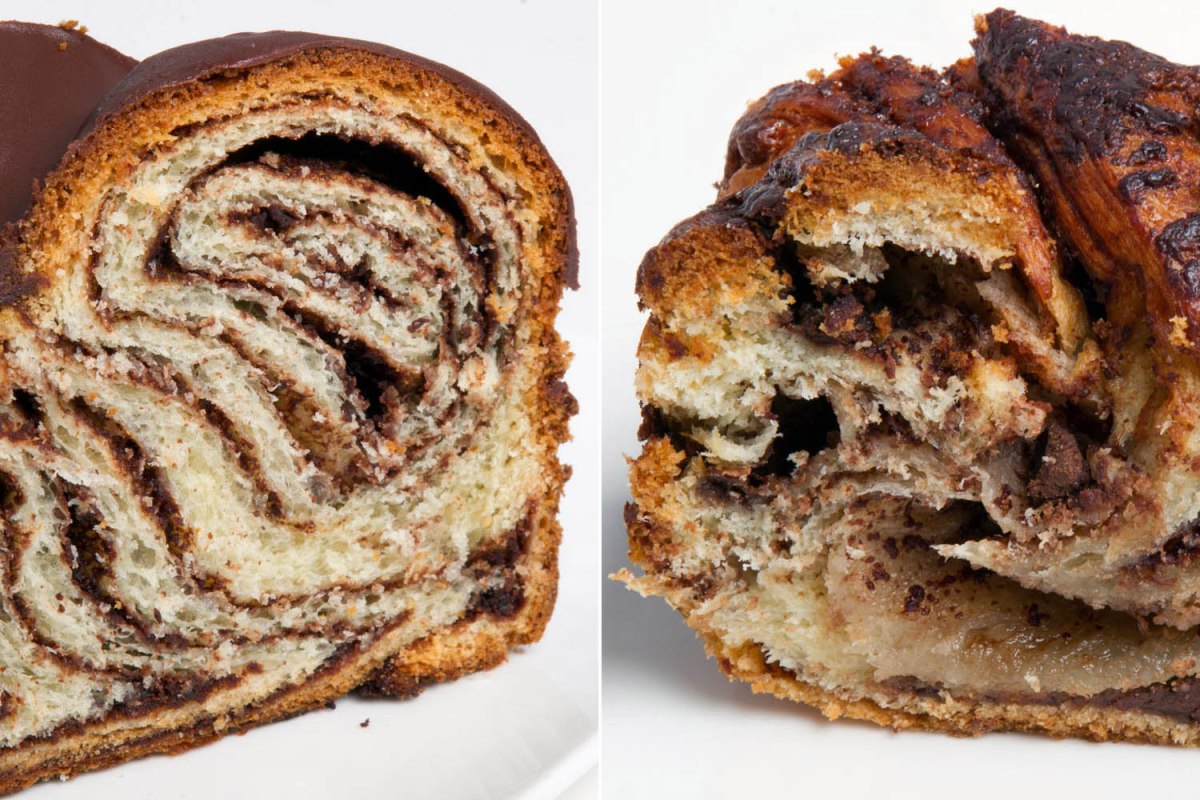
Forty years ago, in 5736, (I dated my files by the Jewish year), I announced, “Babka is back” and in 5776 its back again. According to the Today show it is here to replace the cronut as the latest pastry obsession. Everything is cyclical or as we use to say in New Jersey: “What goes around comes around”. But that has a somewhat different connotation and usually involved a little bit of self-satisfying glee. It is good to be right. Which brings me to an ending. I wasn’t always good. I wasn’t always smart. But I tried and sweated out every word. I tried to reach beyond the lectern. I laughed when I read one of my sermon openings: “Relax – let down your defenses – I am not here to yell at you. I am here to search with you.” Yes – for leaven, for yeast, for anything that can help us rise above ourselves.
And by the way or to the point: where is there good Babka in South Florida (chocolate – the deep dark rich kind that doesn’t crumble when you cut it, that can be toasted and spread with butter.)? OMG, I’m in trouble.


 rabbiunplugged