The Sinai Lesson

Tonight is Shavuot (at least as I am writing). It is the holiday on which we celebrate the first fruits of the Spring harvest and the revelation at Sinai. It is one of the least observed of our holidays even though it is Biblically mandated and has an important message. It reminds us that at our core we are a people with a mission. We are a people who listened and accepted the revolutionary idea that there is meaning to our being beyond the limits of our bodies. Whatever you believe about the narrative in Exodus that recounts the Sinai experience complete with a golden calf and shattered tablets, we have accepted its truth and its commandment: that there is a higher law whether filtered through historical writings or delivered from a Divine Source right into the hands of Moses our teacher.

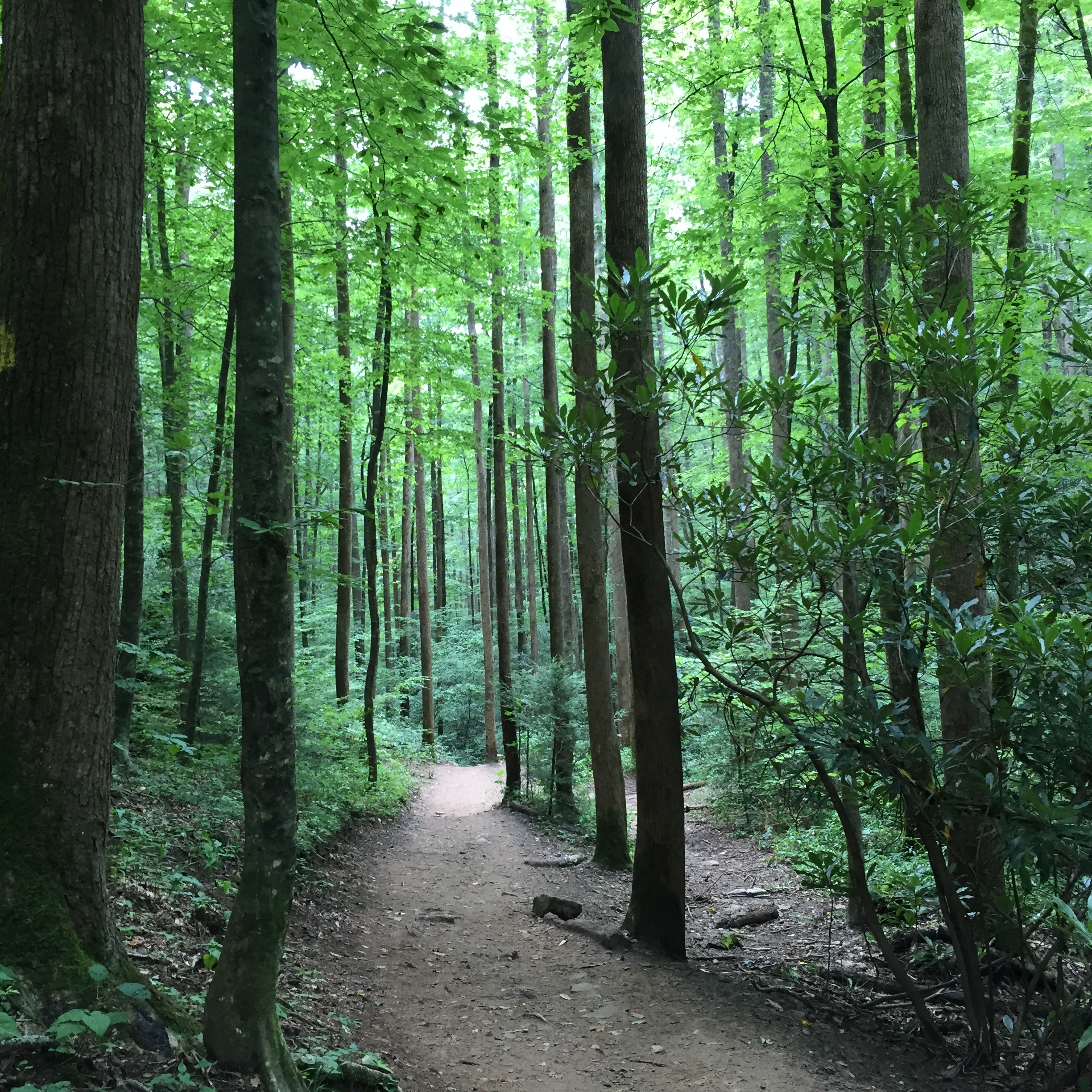
Some people think there is only one way to live the mission: black hats, black coats, covered hair, fidelity to ritual and halacha. I think every individual has the right to find their own way and there are many paths that lead to Sinai. When Tom O’Brien and I taught at FAU Lifelong Learning, we would end our session with a slide with an image of a path in the woods with the words: “Walker there is no road; the road is made by walking.” I don’t remember where we found it, but it has always spoken to me about how we make our way through life by living it with appreciation and purpose. Life is a gift. It might also be an accident but it’s still not to be taken lightly.

The Sinai lesson is that the paths we forge are not for our sole passage but that the generations that came before us and the generations that will come after us are depending on how we walk and where we put our feet. The Shavuot story reminds us that we all stood at Sinai; we all heard the words and accepted the obligations. We are called Israel – the one who struggles with what it means to be human or to put it in traditional language – what God wants from us. And If truth be told, we are having a hard time with it right now. How to defend ourselves and still look ourselves in the mirror, How to stand up to hatred without hating back. How to listen to the voices in our community and nation that we don’t agree with and not write them out of our circles.

You know I am speaking about Israel and her current government. You know I am speaking about the United State and our current administration. You know I am writing this to myself because this holiday we begin tonight says: We can do better.

Oranges, Olives and Lemons

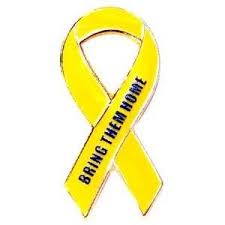
It feels like every year there is a new item to add to your Seder plate or a new reading to insert before the second cup or the eating of answering of the four questions or the telling of the story. This year its lemons. Lemons for their color; lemons for their taste; lemons for the hostages sitting still in darkness and wondering if they will ever see the light. I like how the tradition grows and how it adapts. I like that it is not frozen in time or place but that it is living and breathing.

Yes there is an order to the Seder. And I follow it more or less. And the words written centuries ago take on different meanings almost every year it seems. Like the word “enough” – in Dayenu – it would have been enough. Yes. the poem/song lists all the things we have historically experienced as a people from leaving Egypt to discovering Torah and Shabbat, from building the Temple to entering the Land. Any one of them would have been enough. But there’s another way to roughly translate Dayenu. (Hebrew scholars look away!) It is enough. Enough with war; enough with Hamas terrorism; enough days the Hostages have lived in tunnels; enough bombings and death of the innocent both Palestinian and Israeli; enough tariffs, enough ICE, enough presidential privelege and power grabbing; enough shirking of congressional responsibility in leading this country.

The trick in leading a Seder is to balance the ritual, text and free flowing discussion. People sometimes tell me that they went to a “real” Seder where they read the whole Haggadah and even went back after the meal. If I could rewrite the order of things I would put Elijah before hard boiled egg – Elijah is the harbinger of hope and promise – that opening of the door isn’t just to welcome a spirit to sip the wine. that opening of the door is an act of faith that we can make tomorrow better than today.

Of course we’re not doing so good with today. Hence the lemon. The piece I saw says put the lemon on the Seder plate and slice it right before Maror. Add it to your Hillel Sandwich – so the bitterness of slavery and sweetness of freedom are integrated with the sharpness of the hostages’ fates.

At LabShul, one of the out there congregations in our country has a heading on their Seder instructions which I love. SEYDER: Say More/Read Less. So here’s my take: This is all about a discussion. It is not about slavishly following the text. It is reacting and intereacting with the tradition. It is about interrupting the leader. it is about questioning the rituals. It is about lemons, oranges, and olives.

I Was Cautiously Hopeful

I’m not surprised; I am disappointed. I’m anxious and hopeful at the same time. I’m reticent to even write these words, after all I am living relatively securely in Florida and the things that worry me do not include missiles raining on my head from as close as Gaza and as far away as Yemen. The cease-fire news yesterday was a blessing. But even then, I feared optimism was somewhat premature.

Maybe we know too much; maybe we think what we know is really not the truth. As of this writing, Netanyahu is saying that Hamas is reneging on part of the deal and the Israeli cabinet meeting to discuss and hopefully ratify the agreement has been postponed. That was 14 minutes ago according to the Times. What will happen next is unknown to me although given President Biden’s announcement last night of the work that his administration has been constantly doing to achieve cessation of hostilities and a return of the hostages it is hard to imagine that it will fall apart again.

But there is Monday and the inauguration of President Elect Donald Trump. It so echoes Carter/Reagan and the freeing of the Americans from Iran in 1981. Who wants to give whom what? Who is afraid of whom? Is Netanyahu ready to give Trump the gift of making the deal? Is Hamas afraid of Trump’s threat to bomb the hell out of them?

Sad. Disheartening. I hope by the time you read these words, my fears, anxiety, disappointment will be something of the past and there will be a new day dawning with the hostages returning home and guns silencing as hints of a permanent peace rise out of the darkness. It’s probably going to take something the Bible would call a miracle. It’s immensely risky because the forces of evil are real in this world and everything I know says that its name is Hamas.  It’s definitely going to take courage and faith. But I am not so sure there are any other good alternatives  – so read these words as a prayer.

A prayer for peace; a silent petition to all that is good or God in the world for sanity; a petition for joy to come in the morning even though we all know it will be tinged with sadness for all those whose deaths we mourn.

I Am Lord of Memory*

Eileen and I went to see Judy Collins the other night at the Brevard Music Center. She confidently walked on stage in a bright pink long dress with a black sequenced jacket. She proudly announced that she was 85 and from mid orchestra she was looking good. She peppered the concert with a lot of good stories and corny jokes. One of the many things I did not know about her was the relationship she and Leonard Cohen had. She credits him with “pushing” her to write her own songs and throughout the concert sang many of his more esoteric pieces. The concert was delayed for a half hour because of serious thunder and lightening but 2000 people still showed up even some June bugs or fireflies. They flashed in the dark as so many of us celebrated this night of memory.   

One of the Leonard Cohen songs she sang was “Priests”. It’s an elusive and mysterious song/poem about love, memory, loss – all that is holy. I went online to try and put the lyrics into one complete and cogent paragraph. I failed. For me it is the wedding of the haunting melody with the words; it is the marriage of the lyrics with the melody to my own memories.

This all came home to me yesterday when I learned that my friend and colleague, Rabbi Fred Pomerantz died. I knew he was having health issues, but he wasn’t supposed to die. I don’t know whether he loved being a jazz musician first and a Rabbi second or there was no way to separate the two. He was a drummer and the beat of his life and career were intermingled with great joy and deep pain. This is not the place to eulogize him, but it is the place to remember the intersection of our lives from Cincinnati to Closter. It was filled with laughter and tears, it was complete with searching and finding, questions about how to live so that the days of our lives didn’t become material for a soap opera. He was creative, funny and unique all in the service of our people and our Judaism.

Judy Collins isn’t that much older than Freddy or me. She stood on that stage for over an hour and a half and amazed me with her stamina. Sure, she had cliff notes; sure, she turned to her musical director to ask him for details she temporarily forgot; sure her voice has changed. But that’s life – it is all about change – nothing remains the same – and nothing can be taken for given or granted. And it was refreshing to be with her as she proudly celebrated who she was at this stage of living.

Between Judy and Fred it reminded me that no matter how old or how young, our challenge is to make a sacred noise, to sound the bells, to beat the drums, to hear the music of Divinity or the Universe pulsing through our cells. The challenge is to love it all; appreciate the moment; grow the good; minimize the bad; celebrate the remembered and forgotten. Be all you can be even when it isn’t all you were.

Right Freddy?

*From “Priests” by Leonard Cohen

Israel Diaries 4

Our security guard put on Tefillen.

We are on our way to the Gaza Envelope. That means we are visiting the sites that were directly attacked by Hamas on October 7th. They are within miles of the Gaza border. We have Rafael (our security guard) with us today; we have helmets with us today; we have had a security briefing on what happens if there is a red alert. (Siren that warns of incoming mortar or missles). Perhaps I am totally naive, but I am not overly anxious.

Why are we going? To learn; to bear witness; to show solidarity; to understand what was and what is; to experience a small piece of the nightmare of 10.7. As we were driving down from Tel Aviv, Rafael put on a Kippah and Tefillin. My guess is that Rafael is in his twenties; when Eileen was introduced to him, she said, “You’re too cute to be a security guard.”  I am going to try and ask him how he identifies religiously.

It is many hours and many experiences and many tears, anger and laughter later. We are back at our hotel in Tel Aviv. I need time to process it all. Our first stop was Kibbitz Nir Oz and then the Nova Festival Site. Both were ground zero for the morning of October 7th and visiting them you mourn, remember, witness the pain and have too many unanswered questions.

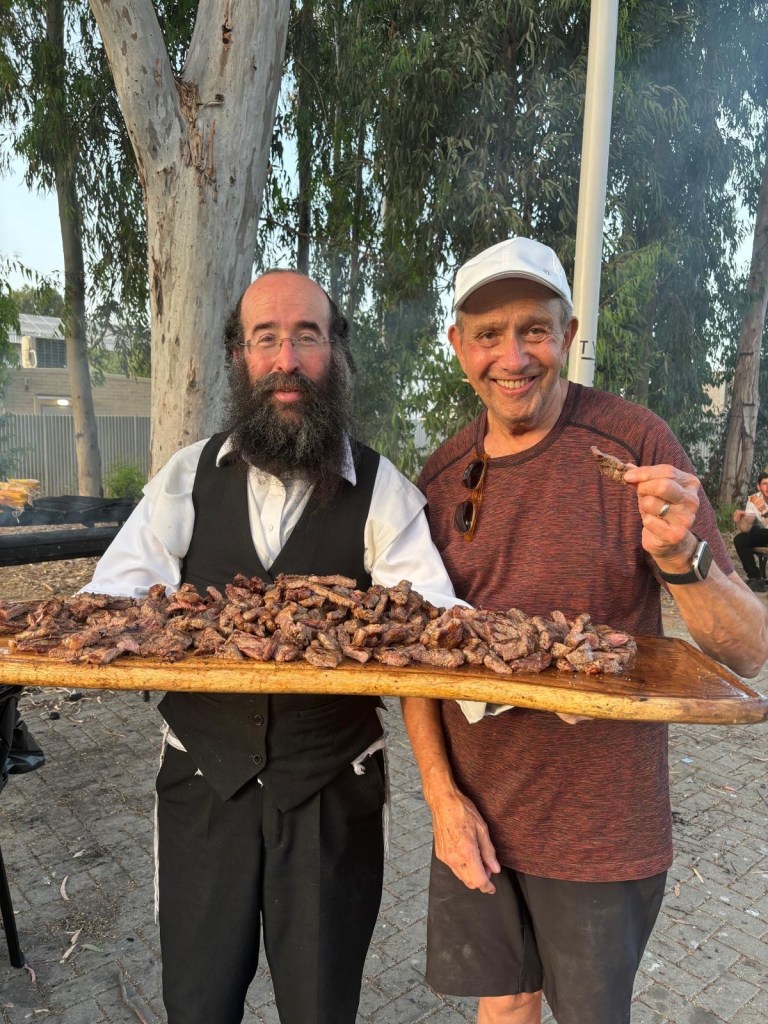
At the end of the day, we visited an Army base, home of the engineer corps of the IDF. They asked us not to take pictures of their faces or parts of the base. They are responsible for exploring, discovering and clearing the tunnels in Gaza. We walked through one of their training facilities and provided and shared a barbecue dinner. The picture above is one of the volunteer cooks and me. Quite an experience and a better way to end our day – showing our appreciation and gratitude to these young men and women who are on the front line defending Israel and us.

There are signs all over Israel: We Are Stronger Together.


Israel Diaries 2

Israel Diary 2


Under Their Vines

It is early in the morning (like I mean middle of the night), and I thought that by sleeping till 6:30 AM yesterday I had conquered the jet lag. Hubris. I actually played a game with myself when I woke a bit ago; I guessed what time it was without looking at the clock and I agreed to be satisfied if it was past 4:00. I lost.

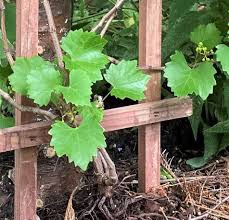
The rest of our crew arrived yesterday at various times. They spent the morning sleeping and we went to visit an old friend who used to live in Nahariya and is now in a “Mishan” (Assisted Living Residence) in Ramat Aviv, just outside of Tel Aviv. She Is a textile artist and specialized in Judaica. We discovered each other when we were searching for someone to create a wall hanging in memory of Eileen’s mother, Beatrice. When we shared with Adina Bea’s life and her values and told her that Bea’s Hebrew name was Brachah (Blessing), she proposed to create a piece that incorporated the prayer for peace that includes as part of the text her Hebrew name. The prayer’s text is surrounded by vine and fig leaves as in “And everyone shall dwell under their own vine and fig tree, and none shall make them afraid.” (Micah 4:4). It hangs on the north wall of Temple Israel’s sanctuary.

The weather is beautiful in Tel Aviv. So we sat outside on her patio only big enough for two chairs and a table – but there was room for a small garden between the privacy wall and the patio. There was a vine growing. It looked like zucchini to me but Adina who had only lived there for 3 months thought it might be watermelon. We agreed we would just have to wait and see.

And that is somewhat the mood among so many of the Israelis we have met. It is a wait and see but live your life praying for peace and unafraid, at least on the outside. The beaches of Tel Aviv are full of young people playing soccer and soccer volleyball, running, surfing, enjoying life. The restaurants are full even if the hotels are not. This may be an observation that is skewered by my living in Palm Beach County but I have seen more pregnant women in our two days here than I see in a month in WPB. And there seems to me to be pride in their swelling bellies almost a statement about the future.

Tomorrow we meet our tour guide and head start our “tour”. We will be in Jaffa; we will be examining the grafiti wall art that has been created since October 7; we will be in Hostage Square meeting with families; we will welcome Shabbat there and pray again for a better future.

Let’s see if I can go back to sleep.

Hanukkah is Over

Hanukkah is over and I can’t sleep. It took me forever last night to fall into sleep. Very unusual for me since I am usually unconscious in minutes after finding whatever is the right position on the pillow for that moment. It was the news. Specifically, it was the report that the IDF confirmed that three of the hostages held by Hamas were killed by what we used to call (in Vietnam at least) friendly fire. That means that in the fog of war, they were mistaken for the enemy and shot to death by those whose mission was to save them.

I hate that phrase “fog of war”. I understand it but I still hate it. It makes me think of scenes from a war movie – when the smoke from tear gas or the airborne dust from a recent bombardment or the mist from the English Channel in a WWI trench scene is obscuring your vision and it is tough to determine foe or friend. It makes me ask if the fog is physical, emotional, intellectual or all of the above. It makes me wonder where does this all end; what is success; when and how do we say: we won?

Don’t yell at me yet; don’t get me wrong. I am not voting with the UN for an immediate cease fire. I ask again and again: why is there no worldwide demand for the immediate return of all the hostages? Hanukkah is over and I am just sad. For all the lives lost – Children and women, mothers and fathers, grandparents and babies, Israelis and Arabs and innocent people whose light has been extinguished by the hatred ignited on October 7th. That means there would be no fog of war if Hamas hadn’t slaughtered, raped, maimed, kidnapped, tortured, over a thousand people in their rage of death. They showed their true face – evil. And they forced Israel to respond. Too bad we can’t invent a bullet that only targets bad guys.

I could go on and on and you are very kind to let me vent. But I have no solution. Yes, “two states” sounds good on paper. Cease Fire are pious words. But not now, not yet – bring them home first. Bring them home. It’s too late for there to be no missing candles; too many have died, and their light has been snuffed out. But let’s light with what’s left.

Breaking News: “And one was holding a white flag”

A Prayer in Prose

It is almost Thanksgiving. And over this weekend, our immediate family (minus the two on their Honeymoon) will all be together; we will have turkey and my mother’s Ritz cracker stuffing on Thursday and some alternative to turkey for Shabbat dinner on Friday. We will light am extra set of candles for the hostages that remain in darkness and fear. My head is hoping, praying that by some miracle more than 50 will come home; my heart is just broken when I allow the reality of this madness to settle in.

And it is almost Thanksgiving. I almost feel guilty; there are so many blessings that surround me. I have so much I am grateful for. They are the usual: family, friends, bounty, freedom; safety and security; home and hearth; our fractured, imperfect but better than most country, and even a new car. Not everyone has this all; not everyone in our own United States, not everyone for sure in Israel or Gaza. And none of this should be taken for granted.

And it is almost Thanksgiving. When I was in elementary school it was all about the Pilgrims and the Indians. It was about corn and cornucopias and friendship between the Native Americans and the survivors of the Mayflower. We called them Puritans as if they were pure and innocent. It didn’t even dawn on us that the new land they were settling belonged to someone else. But myths are powerful and the story even if flawed contains enduring truth. Like gratitude.

And it is almost Thanksgiving or is it Black Friday. But of course, given our amazing capitalistic system, Black Friday is now a week, a month. And we continue to live, to buy, to celebrate, to count down or up to the “Holidays” and gift giving. I know the gift I would like to give – the gift of sanity to a world gone insane; the gift of wholeness to a world fractured by hatred and war. A friend of mine who is a child of survivors remembers his mother who survived one of the concentration camps saying: “There is real evil in this world. Make no mistake. And it must be confronted and contained.” There is and we saw it on October 7th. There is and we cannot let evil win. We cannot take goodness for granted. And we can’t allow ourselves to become callous to the pain and suffering of all who are hostage to the horrors Hamas unleashed.

But is it almost Thanksgiving. And I am so grateful for all my blessings and with a heavy heart I say: Amen.

A Superficial Confession

It is Yom Kippur morning, and some people probably are thinking what is he doing using the computer. But what do you do in between waking up and heading to Synagogue since if fasting there is no coffee to make and no cereal to pour. I reread my Yizkor Drash (that means short sermon) and decided that even if it needed more editing, it was done.  I tried to sleep late but that didn’t work – it never does for me; if I sleep past seven, I must be sick.

And so, I’m thinking about my sins. Don’t worry I am not confessing them to you. (at least not in lurid detail.) What a loaded word, “sin”. Like there is a universal standard; I am more inclined to a sliding scale. In the Yom Kippur liturgy, there is a prayer that lists our sins alphabetically. In that spirit I am going to concentrate only on the “Ses” – is that how you pluralize the letter “S”?

Some of you know me well and won’t be surprised by this litany. You can probably add a few more – feel free – in the spirit of this day, I can take it – I know I don’t know all my shortcomings and maybe that is its own blessing or sin. I am starting with stubborn.

It is hard for me to admit I am wrong, and it is hard for me to ask for advice (or directions). Although and I was going to save this admission for the end the ageing process is making that easier. (Ageing process — I really mean getting older or if I am really confessing here: I really mean getting old. Period.) And I think that everything I cook is delicious and I think that all the words I write are profound and I have a hard time telling Eileen she is right which is probably my biggest mistake on many levels.

I’m also selfish. It’s a silent kind of selfish. I would give my kids and grandchildren anything in my power they asked for (almost). But I am nowhere near as selfless as Eileen who is one of the best gift givers almost to a fault. There’s another sin: Judging her by my artificial standard. But back to selfish. In my retirement I am beginning to like that word – it is ok to think of your own needs and wants as long as it isn’t exclusive to all others. I’m back to sin on a sliding scale.

But enough: It is time to get ready for Judaism’s communal confession – time to get ready for services and find in the ancient prayers contemporary words that will enter my heart. I’ll save the rest of my confessions for the prayer book.

Herzl Crying

It is Tisha B’Av – the ninth day of the Hebrew month of Av and for many Jews it is a fast day; it is a day of mourning – remembering the destruction of the first and second Temples in Jerusalem and some say the expulsion of the Jews from Spain. Maybe because of its placement in the middle of the summer this is not one of my top ten holidays. Maybe because I have that old Reform theology in my head that asks where would we be if we were still offering animal sacrifices on a centralized altar in Jerusalem. Would we have synagogues; would we have Rabbis; would we recognize ourselves?

But this year Tisha B’Av snuck up on me and said: pay attention. When the Temple was destroyed and Jerusalem laid waste, our national identity was destroyed. The second Jewish commonwealth disappeared and although not erased from history, we began our dispersion, our wandering, our dependence on the tolerance of emperors, monarchs, religious leaders, dictators, and political systems we were not a part of. And so began the slow and tortured march to the Inquisition and the Holocaust.

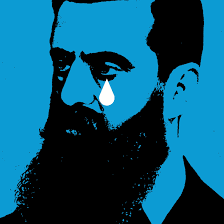
It took us almost 2000 years to regain Jewish sovereignty. When Theodore Herzl championed a national homeland for the Jewish people and created modern political Zionism, he envisioned an open society where Jews of all stripes and colors, all beliefs and cultures could feel at home. You can read about it in his utopian novel, “AltneuLand” (Old-New Land), published in 1902. If you are following the current Israeli political crisis, you know that many observers believe that the crisis concerning the “judicial overhaul” is about Israel’s national identity. Will it continue to be open and innovative, pluralistic, democratic? Will it be the Israel we are so proud of?

Tali texted me yesterday and asked – are we an ethnicity? I don’t know if she was filling out a form or where this came from. (Texts are limited in the amount of information they impart.) But I answered: “Yes, and more. Its complicated.” Well, it is and it isn’t. We are a people; we care about each other; we care what happens to Jews wherever they live. Do we care more than we care about non-Jews in Asia or Africa or Central America? Well language tells a little bit of the story. We divide the world into Jews and non-Jews. We care about people in need everywhere, but we begin by caring about our own.

And so Tisha B’Av. If nothing else, tells the heartbreaking story of Jewish powerlessness. It reminds me how much and why I care about the future of Israel society. I am so proud of the scope of the Israeli protesters who are writing a new chapter in Herzl’s novel. They are fighting for the soul of the nation. They give me hope and that’s not a small thing. I am proud of every step they take in their march from Tel Aviv to Jerusalem, in their willingness to stand up for their ideals. I may be idealizing them and maybe a little naïve, but I think they could teach us a thing or two.

Hello Again

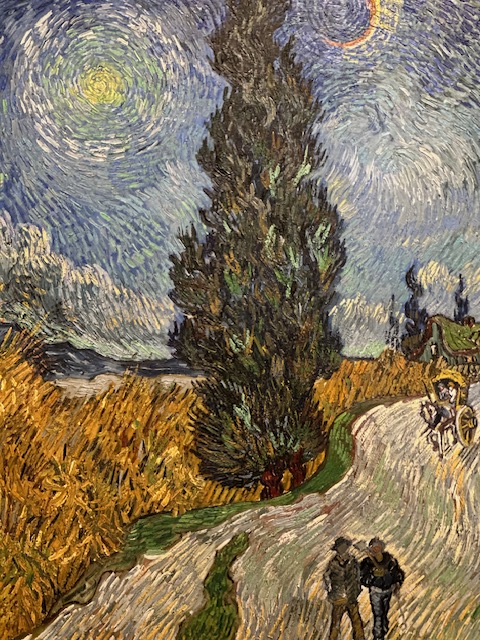
We were in New York a few weeks ago.  Saw two shows and went to the Metropolitan Museum of Art squeezing into two exhibits: Karl Lagerfeld: A Line of Beauty and Van Gogh’s Cypresses. The exhibits and the shows were radically different: Parade – about the Leo Frank lynching somewhere outside of Atlanta in 1915 and A Beautiful Noise – the story and music of Neil Diamond from Sweet Caroline to Coming to America. We can talk about Parade in a different post.

Eileen and I were captured by A Beautiful Noise; loved the music; you could sing it; loved the glitter and the sequins; felt so good, so good, so good. Things I did not know: unlike many contemporary actors and performers, Neil Diamond never changed his name. He was born Neil Diamond and still is. He didn’t pick up the guitar till he was 16. Many of his songs are deeply personal mirroring different stages of his life. And so much of it is about acceptance and loneliness. I hear his music differently now: self-reflective and even soul searching. You got to get past the façade of bright lights and shiny costumes. Just like when you love someone you love not only their persona but also the person they are within, with all the beauty marks and all the flaws, with all the strengths and weaknesses. You see, I am not a music critic, and I am not a psychoanalyst. “I am I said, to no one there and no one heard at all, not even the chair…” We all want to be heard, noticed, felt that this one life we have is impactful.

Some of us sing; some of us tell stories; some of us write; some of us nurture; some of us teach; some of us provide; some of us heal; some of us listen, some of us create; some of us grow things; some of us paint. And some of us struggle and can’t find the road back. It might be ridiculous or ludicrous to pair the two but the Van Gogh exhibit at the Met wants “in” to these words. The image at the top of this is Van Gogh’s “Country Road in Provence by Night”. He was obsessed with these cypress trees. He calls them “flame like” and even writes, “no one has yet done them as I see them.” Maybe it’s the loneliness theme. I often wondered do you have to be lonely or besieged to be creative. Is suffering the secret ingredient in the paint on the palate?

The painting isn’t as famous or as intense as Starry Nights, but it speaks to me about the life we have been given and the road we all are invited to take – one that winds through and by the trees. There are probably many paths, and they change as we grow, age, mature, become. The challenge is to recognize it, stay on it, celebrate it, affirm it, walk it with as much joy as we can muster no matter what God/Life/Chance/Luck bring us. Van Gogh died of suicide. Neal Diamond has Parkinson’s. What do we really know?

A Garden is a Place of Worship

I am watching my garden grow. It takes a lot of patience. It also takes a lot of care. It has taught me that I’m not so good at waiting; I’m also not so good at getting down on my knees and weeding. I’m pretty good at watering and fertilizing but don’t ask me how many little pellets per square foot – for me it is a good deal of intuition and faith – well really – hope. All the professionals tell me that this year has been tough. The winter had a hard freeze when the temperature hovered around zero and the hydrangeas rebelled. So, it is a slow return to summer’s glory.

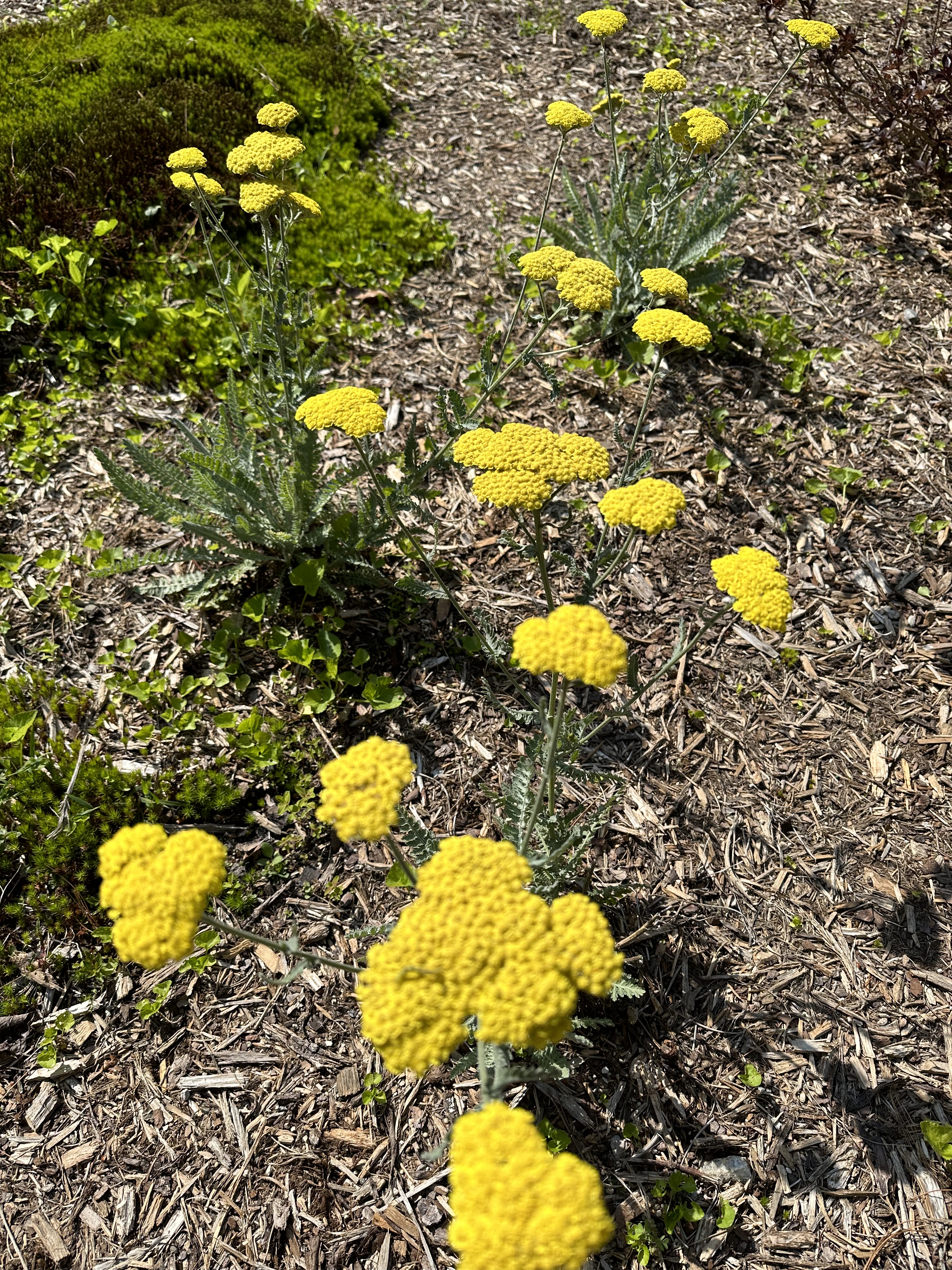
I expected a rainbow of colors by now. What I got so far are these yellow Yarrows. (Although to be fair the purple Irises have been both faithful and reliable, but they are unhappily very short lived and I saw a few buds on some blue geraniums.) It is quite a spiritual exercise, this waiting and watering, watching and worrying, weeding and wishing.

I never heard of Marc Hamer till I read a piece in the NYT.  In his latest memoir: “Spring Rain: A Life Lived in Gardens, he writes, “a garden is always a place of worship even if it’s a really crappy one.” If I can extrapolate from his words: Worship is believing that there is a power (or Power) in the universe that promotes growth. Some people believe that power listens to prayer. Some people believe that power invites us to find the oneness that unites the flower and the seed. In Hamer’s reflections, “kneeling in the garden is like bowing to the world that made me.” It is acknowledging – there is a place for us. It is hands and heart united in gratitude.

I believe in my garden, but I have a fair amount of garden jealousy. I pass neatly coiffed landscapes with defined beds and barely a weed to be seen. That’s not mine. At least not yet. But it won’t be that way forever. Eileen just bought me a new weeder that hopefully makes the process palatable. It’s Wirecutter’s favorite and called a Woodcraft Weeding Hoe. (Father’s Day you know and who wears a tie these days anyway.) I tried it out this morning. Here’s the challenge – is that a weed or wildflower?  And what do you do with the mulch you have now dug up.

Never mind, it is good therapy. If I can keep the red ants and chiggers away from me, it is a healthy form of meditation. Never mind, I love how it is never static, always changing, always becoming. I love how the dirt under my fingernails (no matter how thick the gloves) is a prayer to creation and all that is yet to be.