Tonight is Shavuot (at least as I am writing). It is the holiday on which we celebrate the first fruits of the Spring harvest and the revelation at Sinai. It is one of the least observed of our holidays even though it is Biblically mandated and has an important message. It reminds us that at our core we are a people with a mission. We are a people who listened and accepted the revolutionary idea that there is meaning to our being beyond the limits of our bodies. Whatever you believe about the narrative in Exodus that recounts the Sinai experience complete with a golden calf and shattered tablets, we have accepted its truth and its commandment: that there is a higher law whether filtered through historical writings or delivered from a Divine Source right into the hands of Moses our teacher.
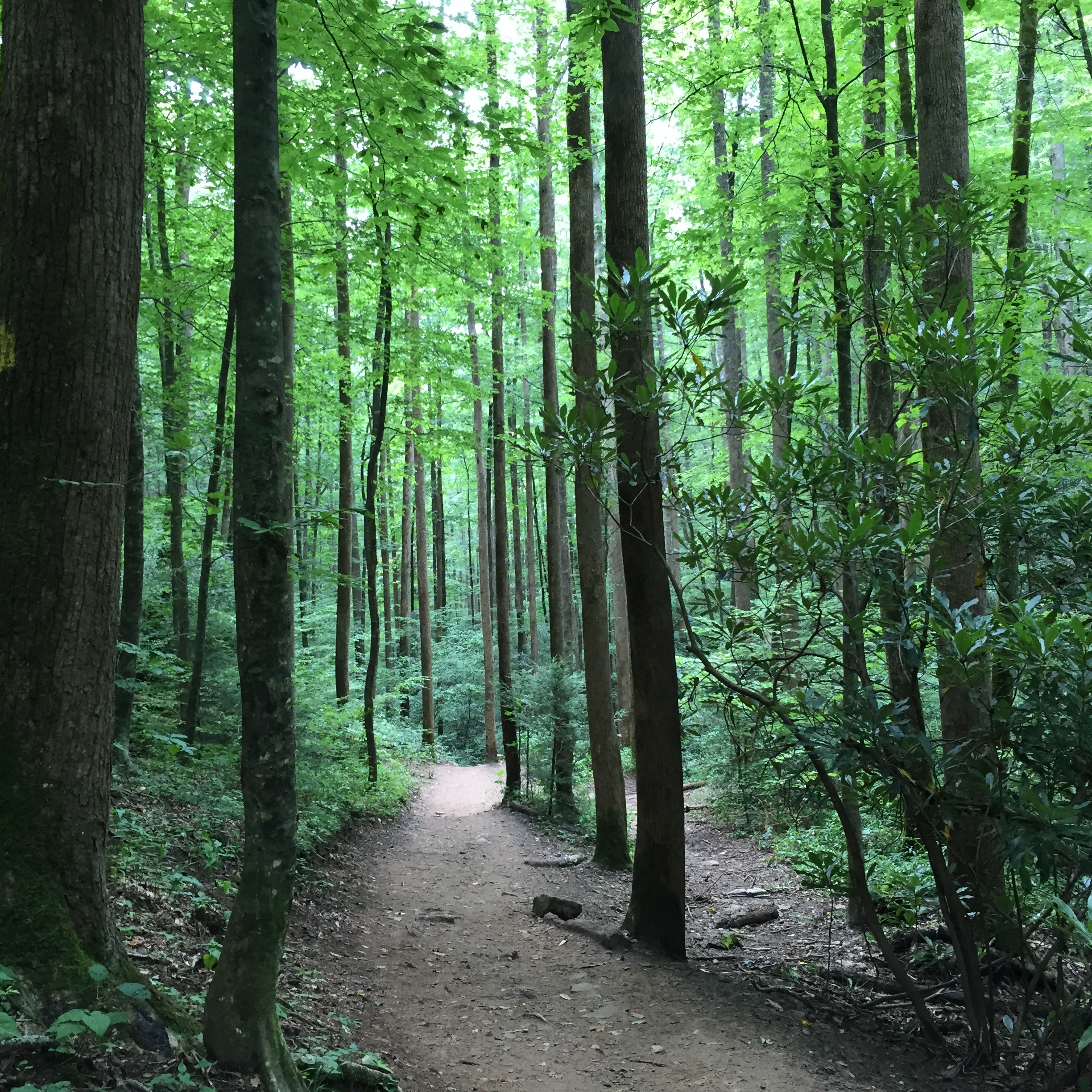
Some people think there is only one way to live the mission: black hats, black coats, covered hair, fidelity to ritual and halacha. I think every individual has the right to find their own way and there are many paths that lead to Sinai. When Tom O’Brien and I taught at FAU Lifelong Learning, we would end our session with a slide with an image of a path in the woods with the words: “Walker there is no road; the road is made by walking.” I don’t remember where we found it, but it has always spoken to me about how we make our way through life by living it with appreciation and purpose. Life is a gift. It might also be an accident but it’s still not to be taken lightly.
The Sinai lesson is that the paths we forge are not for our sole passage but that the generations that came before us and the generations that will come after us are depending on how we walk and where we put our feet. The Shavuot story reminds us that we all stood at Sinai; we all heard the words and accepted the obligations. We are called Israel – the one who struggles with what it means to be human or to put it in traditional language – what God wants from us. And If truth be told, we are having a hard time with it right now. How to defend ourselves and still look ourselves in the mirror, How to stand up to hatred without hating back. How to listen to the voices in our community and nation that we don’t agree with and not write them out of our circles.
You know I am speaking about Israel and her current government. You know I am speaking about the United State and our current administration. You know I am writing this to myself because this holiday we begin tonight says: We can do better.
It feels like every year there is a new item to add to your Seder plate or a new reading to insert before the second cup or the eating of answering of the four questions or the telling of the story. This year its lemons. Lemons for their color; lemons for their taste; lemons for the hostages sitting still in darkness and wondering if they will ever see the light. I like how the tradition grows and how it adapts. I like that it is not frozen in time or place but that it is living and breathing.
Yes there is an order to the Seder. And I follow it more or less. And the words written centuries ago take on different meanings almost every year it seems. Like the word “enough” – in Dayenu – it would have been enough. Yes. the poem/song lists all the things we have historically experienced as a people from leaving Egypt to discovering Torah and Shabbat, from building the Temple to entering the Land. Any one of them would have been enough. But there’s another way to roughly translate Dayenu. (Hebrew scholars look away!) It is enough. Enough with war; enough with Hamas terrorism; enough days the Hostages have lived in tunnels; enough bombings and death of the innocent both Palestinian and Israeli; enough tariffs, enough ICE, enough presidential privelege and power grabbing; enough shirking of congressional responsibility in leading this country.
The trick in leading a Seder is to balance the ritual, text and free flowing discussion. People sometimes tell me that they went to a “real” Seder where they read the whole Haggadah and even went back after the meal. If I could rewrite the order of things I would put Elijah before hard boiled egg – Elijah is the harbinger of hope and promise – that opening of the door isn’t just to welcome a spirit to sip the wine. that opening of the door is an act of faith that we can make tomorrow better than today.
Of course we’re not doing so good with today. Hence the lemon. The piece I saw says put the lemon on the Seder plate and slice it right before Maror. Add it to your Hillel Sandwich – so the bitterness of slavery and sweetness of freedom are integrated with the sharpness of the hostages’ fates.
At LabShul, one of the out there congregations in our country has a heading on their Seder instructions which I love. SEYDER: Say More/Read Less. So here’s my take: This is all about a discussion. It is not about slavishly following the text. It is reacting and intereacting with the tradition. It is about interrupting the leader. it is about questioning the rituals. It is about lemons, oranges, and olives.
Eileen and I went to see Judy Collins the other night at the Brevard Music Center. She confidently walked on stage in a bright pink long dress with a black sequenced jacket. She proudly announced that she was 85 and from mid orchestra she was looking good. She peppered the concert with a lot of good stories and corny jokes. One of the many things I did not know about her was the relationship she and Leonard Cohen had. She credits him with “pushing” her to write her own songs and throughout the concert sang many of his more esoteric pieces. The concert was delayed for a half hour because of serious thunder and lightening but 2000 people still showed up even some June bugs or fireflies. They flashed in the dark as so many of us celebrated this night of memory.
One of the Leonard Cohen songs she sang was “Priests”. It’s an elusive and mysterious song/poem about love, memory, loss – all that is holy. I went online to try and put the lyrics into one complete and cogent paragraph. I failed. For me it is the wedding of the haunting melody with the words; it is the marriage of the lyrics with the melody to my own memories.
This all came home to me yesterday when I learned that my friend and colleague, Rabbi Fred Pomerantz died. I knew he was having health issues, but he wasn’t supposed to die. I don’t know whether he loved being a jazz musician first and a Rabbi second or there was no way to separate the two. He was a drummer and the beat of his life and career were intermingled with great joy and deep pain. This is not the place to eulogize him, but it is the place to remember the intersection of our lives from Cincinnati to Closter. It was filled with laughter and tears, it was complete with searching and finding, questions about how to live so that the days of our lives didn’t become material for a soap opera. He was creative, funny and unique all in the service of our people and our Judaism.
Judy Collins isn’t that much older than Freddy or me. She stood on that stage for over an hour and a half and amazed me with her stamina. Sure, she had cliff notes; sure, she turned to her musical director to ask him for details she temporarily forgot; sure her voice has changed. But that’s life – it is all about change – nothing remains the same – and nothing can be taken for given or granted. And it was refreshing to be with her as she proudly celebrated who she was at this stage of living.
Between Judy and Fred it reminded me that no matter how old or how young, our challenge is to make a sacred noise, to sound the bells, to beat the drums, to hear the music of Divinity or the Universe pulsing through our cells. The challenge is to love it all; appreciate the moment; grow the good; minimize the bad; celebrate the remembered and forgotten. Be all you can be even when it isn’t all you were.
Waze was having a tough time finding a better route to the airport. There was a demonstration on the road. Every Saturday night, as Shabbat ends, they begin to gather. Drums, signs, flags, young, old: Make a Deal Now; Bring Them Home Now. All the vehicles were being channeled into one lane as the demonstrators made their way to the residence of the Prime Minister. We were eventually returned to our hotel and sent to the airport through East Jerusalem. No worries (except we did) and we got to the airport on time. Of course the VAT office on the main floor was closed but it seems there is always some reason you can’t get your Value Addeed Tax refunded. I hope my donation goes to a good cause.
But back to the demonstration. This what I love about Israelis. There is a concept of civic engagement and a belief that your voice is important. You can make a difference no matter how much the cards are stacked against you through a convoluted and probably outdated political system. They are not alone -we have our own peculaarities in our democracy: think Electoral College and the lunacy that winning the majority vote doesn’t guarantee one the Presidency.
We came in hard times. Don’t think we didn’t think twice about postponing. There were plenty of reasons to do so including United Airlines cancelling all our flights two days before we were supposed to leave. But we couldn’t have come at a more important moment. Time after time people thanked us for being there. They need to feel and see our support. I am not talking politics when I say “support”. I mean Jew to Jew – people to people – you are not alone.
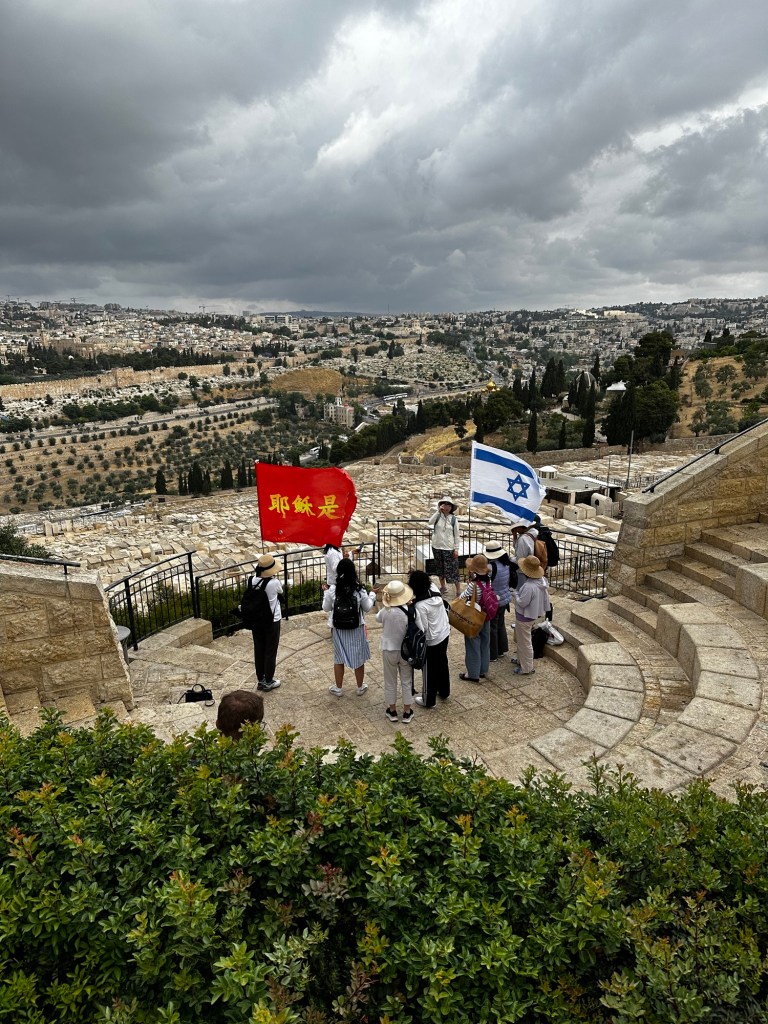
So I am going to leave you with that enigmatic picture above. According to Google the letters are in Mandarin Chinese and mean “Jesus Is”. They are Christian pilgrims following the footsteps of Jesus. A few moments later, they took out their shofars blowing long and loud blasts with an admirable amount of expertise. Some lay on the ground; several had visible tears. It was surreal and also reassuring.
Just like our visit. It was a hard time, a strange time, an important time, a sad time. Leaving Israel with lots of questions and a fear for the future but with love and hope and most of all the blessing of having been together three generations – what a gift.
It is Yom Kippur morning, and some people probably are thinking what is he doing using the computer. But what do you do in between waking up and heading to Synagogue since if fasting there is no coffee to make and no cereal to pour. I reread my Yizkor Drash (that means short sermon) and decided that even if it needed more editing, it was done. I tried to sleep late but that didn’t work – it never does for me; if I sleep past seven, I must be sick.
And so, I’m thinking about my sins. Don’t worry I am not confessing them to you. (at least not in lurid detail.) What a loaded word, “sin”. Like there is a universal standard; I am more inclined to a sliding scale. In the Yom Kippur liturgy, there is a prayer that lists our sins alphabetically. In that spirit I am going to concentrate only on the “Ses” – is that how you pluralize the letter “S”?
Some of you know me well and won’t be surprised by this litany. You can probably add a few more – feel free – in the spirit of this day, I can take it – I know I don’t know all my shortcomings and maybe that is its own blessing or sin. I am starting with stubborn.
It is hard for me to admit I am wrong, and it is hard for me to ask for advice (or directions). Although and I was going to save this admission for the end the ageing process is making that easier. (Ageing process — I really mean getting older or if I am really confessing here: I really mean getting old. Period.) And I think that everything I cook is delicious and I think that all the words I write are profound and I have a hard time telling Eileen she is right which is probably my biggest mistake on many levels.
I’m also selfish. It’s a silent kind of selfish. I would give my kids and grandchildren anything in my power they asked for (almost). But I am nowhere near as selfless as Eileen who is one of the best gift givers almost to a fault. There’s another sin: Judging her by my artificial standard. But back to selfish. In my retirement I am beginning to like that word – it is ok to think of your own needs and wants as long as it isn’t exclusive to all others. I’m back to sin on a sliding scale.
But enough: It is time to get ready for Judaism’s communal confession – time to get ready for services and find in the ancient prayers contemporary words that will enter my heart. I’ll save the rest of my confessions for the prayer book.
I am watching my garden grow. It takes a lot of patience. It also takes a lot of care. It has taught me that I’m not so good at waiting; I’m also not so good at getting down on my knees and weeding. I’m pretty good at watering and fertilizing but don’t ask me how many little pellets per square foot – for me it is a good deal of intuition and faith – well really – hope. All the professionals tell me that this year has been tough. The winter had a hard freeze when the temperature hovered around zero and the hydrangeas rebelled. So, it is a slow return to summer’s glory.
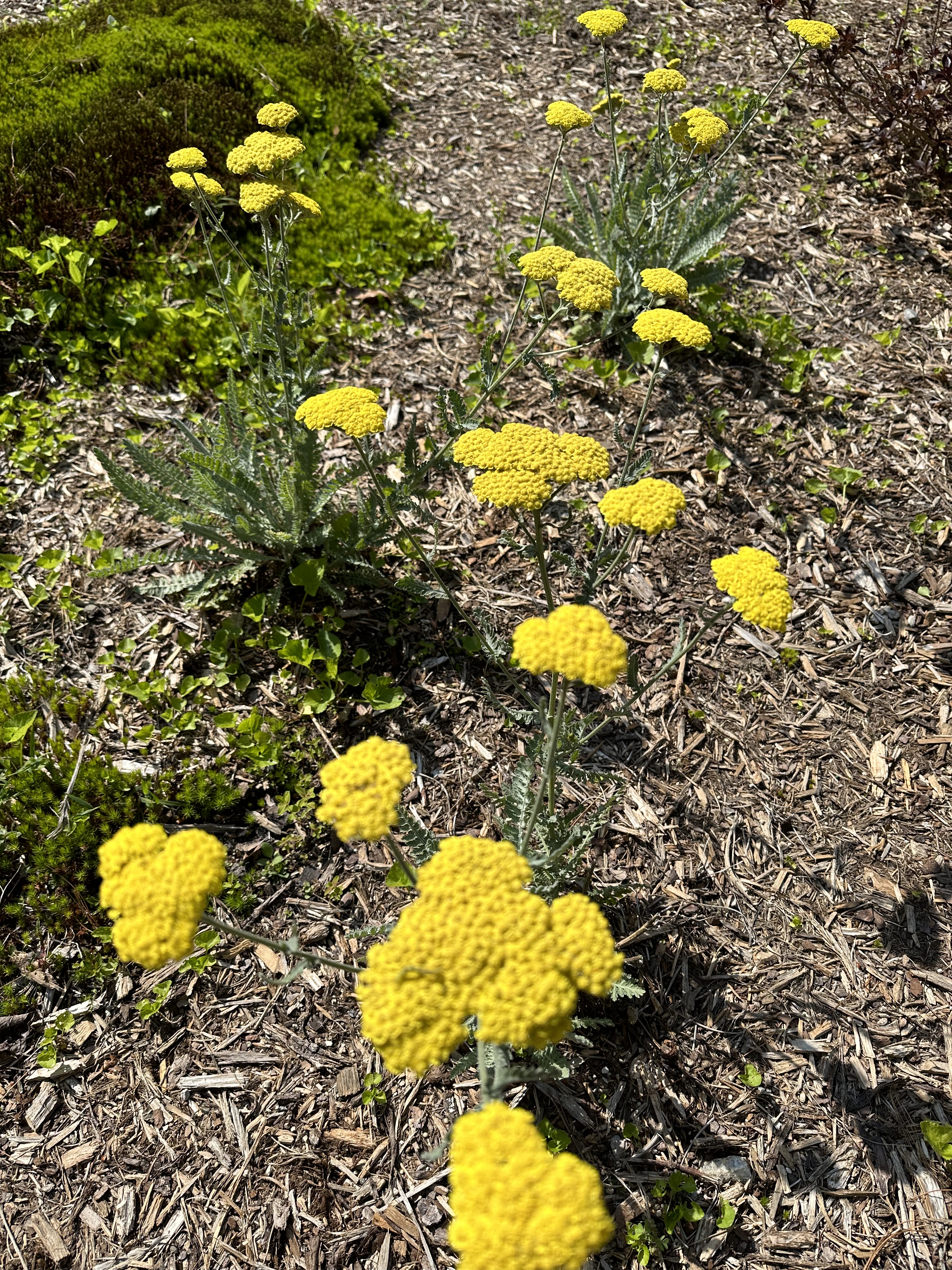
I expected a rainbow of colors by now. What I got so far are these yellow Yarrows. (Although to be fair the purple Irises have been both faithful and reliable, but they are unhappily very short lived and I saw a few buds on some blue geraniums.) It is quite a spiritual exercise, this waiting and watering, watching and worrying, weeding and wishing.
I never heard of Marc Hamer till I read a piece in the NYT. In his latest memoir: “Spring Rain: A Life Lived in Gardens, he writes, “a garden is always a place of worship even if it’s a really crappy one.” If I can extrapolate from his words: Worship is believing that there is a power (or Power) in the universe that promotes growth. Some people believe that power listens to prayer. Some people believe that power invites us to find the oneness that unites the flower and the seed. In Hamer’s reflections, “kneeling in the garden is like bowing to the world that made me.” It is acknowledging – there is a place for us. It is hands and heart united in gratitude.
I believe in my garden, but I have a fair amount of garden jealousy. I pass neatly coiffed landscapes with defined beds and barely a weed to be seen. That’s not mine. At least not yet. But it won’t be that way forever. Eileen just bought me a new weeder that hopefully makes the process palatable. It’s Wirecutter’s favorite and called a Woodcraft Weeding Hoe. (Father’s Day you know and who wears a tie these days anyway.) I tried it out this morning. Here’s the challenge – is that a weed or wildflower? And what do you do with the mulch you have now dug up.
Never mind, it is good therapy. If I can keep the red ants and chiggers away from me, it is a healthy form of meditation. Never mind, I love how it is never static, always changing, always becoming. I love how the dirt under my fingernails (no matter how thick the gloves) is a prayer to creation and all that is yet to be.
I was going to call this Two Weddings and a Funeral but it turns out that it is a South Korean Romcom about a gay man and a lesbian woman who marry to protect their secret lives in a society filled with taboos and judgement. I actually had my numbers wrong. I was thinking of “Four Weddings and a Funeral” the British comedy with Andy McDowell and Hugh Grant. The plot is predictable, the ending happy and the stars ever so young.
All of this is in my head because our summer is its own movie: two weddings, three graduations and one memorial celebration of life. All of them involve a plane or two and are forcing us to make both physical and digital folders for all the arrangements. Not complaining here at all. The first graduation (Jacob, your turn for a shout out) has just ended. And I was so aware as I watched the ceremonies all over the Duke campus, how blessed we are, living the Shehecheeyanu moment. (For those readers who are Hebrew challenged and find the word hard enough to read and almost impossible to pronounce: it translates ‘who has kept us alive’.)
We take that blessing so lightly. Maybe it’s the belief structure around it, praising/blessing God for being so personally interested in us, watching over us, preserving us, and allowing us to reach this moment. Maybe it’s the familiarity or the frequency. Jewish tradition invites us to say the blessing on so many occasions from a New Year to the first night of any holiday to new life events. For me I think it’s the theology: Does God need our blessings? Or do I need to bless. Meaning: I need to recognize the specialness, sanctity, uniqueness of the moment. Does God need our praise or do I need to stop and mark with gratitude and humility how lucky (read ‘blessed’) I am to be alive, aware, and sentient at this time.
I came back from the weekend and the next morning took a Yoga class. At the end of Savasana (the final resting pose in many Yoga classes), the instructor read a teaching about God and Oneness. It taught how many of us tend to think of God in dualistic terms. That there is God and there is us. God is up there or out there, and we are down here, separate from each other. But all that is illusion. There is only oneness. There is only “existence” and as we live in God so God lives in us. We are connected to each other, to the world, to the cosmos both inside and out. We may perceive moments and events as separate, but they flow into each other and out of each other as the waters in a bubbling stream.
All of this is my way of saying Shehecheeyanu again. Not just for the life events of this summer but for every moment. Our being is a gift. Life is a gift and gratitude is the foundational posture upon which a life of meaning stands. So, thank-you to our 3 graduates: Corey, Maya and Jacob. You remind me how sacred life can be. You remind me we are connected in ways astounding and holy. I think I will call them God Strings.
According to the Yiddish proverb, this is what happens when you plan. God laughs.
It is Sunday morning. Dani and Corey get married tonight. Eileen and I flew up to NY on Wednesday to be here for Sammy’s graduation on Thursday and the graduation party on Saturday. And this is all one week after we missed going to LA for Tali’s USC graduation the week before which we watched streamed because of a Covid scare.
So many blessings and celebrations. So many new clothes to buy. The suit for tonight was the hardest; the white shirt was a close second. That’s because I don’t fit into an athletic fit (duh) and am too thin across the shoulders for what used to be called a “regular” and too thick around the middle for most “slims” and besides they only work if they have a 35-sleeve length not 34/35. (You didn’t know it was so complicated or all this about my body.)
Of course, I left the white shirt home.
Which is one of the lessons of the day. What made me think people would be looking at me? (Well to be a little bit fair, I was officiating.) The bride and groom were stunningly beautiful and handsome. So happy and so comfortable in the controlled mayhem that accompanied pictures, the venue, the logistics, the wedding planner’s timeline – they handled it all with grace, laughter, and ease. It was amazing. The whole month has been filled with passages: two graduations, a wedding, and a confirmation. The whole month has been filled with God moments. The God I believe in doesn’t pull strings, manipulating human behavior as a master marionette. The God I believe in laughs as I plan. The God I believe in is the spirit of gratitude, appreciation. The God I believe in resides in the holiness of these passages. And every wrinkle and kink are reminders of my humanity – flawed but not sinful, imperfect but not guilty, but oh so capable of love and appreciation.
So, the shirt I found to wear was not a perfect background for my tie. But it wasn’t about me. (You knew that from the beginning.). It is about transitions and tomorrow. It is about life’s journeys, time turning and the next generation. How “lucky” (read blessed) to be alive in this moment. It doesn’t matter to me what my theology of the day is (or the color of my shirt). It matters that I can feel how profound the moment. It is what I mean when I praise the Source of creation who has preserved me in life, kept me in health and brought me to this moment.
Today is our 55th Anniversary. (I stopped at that word anniversary and wondered should it be capitalized or not. I decided it was a big enough deal that it deserved all the attention it could get.) We were married on Saturday night June 25th, 1966, in Teaneck, New Jersey. It was a big and lavish wedding. The kind that couldn’t begin till after sunset because the family Rabbi wouldn’t begin to travel from Queens to Teaneck till there were three stars in the sky. Dinner was served around 11:00 and you went home with the NY Times. We went to Bermuda on our honeymoon and began a life filled with lots and lots of love and lots and lots of laughter and lots and lots of challenges and lots and lots of compromise and lots and lots of blessings.
The secret to our marriage is simple. It is Eileen, known today as “GE”. She is first and foremost the one person in the world who really knows me. She is my best of besties. She knows what makes me laugh; what makes me cry; what I am proud of; what I am ashamed of; what I wish were different; what I wish will continue forever. She is a storyteller and a gift giver. She can tell you the story of how we met and what she said to me at the wedding of our friends’ when I asked her to dance. I still remember the black long dress with the white decolletage. She had ample cleavage to make it more than memorable. She gives gifts for every occasion to people I think we barely know. But try and buy her a gift!
Her greatest gift is her gift of love; a love that is laced with understanding and ‘negotiation’; a love that is littered with encouragement and wisdom; a love that makes me a better person and can’t be limited by words on a page. Has it been easy and without bumps? This is life I am talking about. This is being a clergy family I am reflecting on. She hates the word “Rebbitzen” but ask her to tell you the story that happened in the kitchen of the Temple’s Social Hall and let me tell you she has been the best Rabbinic spouse there could be because she defined her role as CEO – chief encouragement officer. And first in line to critique and first in line to keep me in line. And she lived her own professional life from teacher to Julia Child to mother to Holocaust Educator to teacher again and always.
Has it been perfect? Life is not a Hallmark Card. Has it been wonderful? It has been passionate; it has been crazy fun and crazy maddening. The arc of our love hasn’t been symmetrical, but it has soared, and it has filled and completed me in ways I never expected. Yes! It’s been wonderful. And here is the best part; It has been together and it’s not over. The song we danced to at our wedding was “More”. To more and to whatever we have left: I love you.
ps – you will have to ask her the story of the Mustang
(A note of explanation: A friend called and said, “I will be alone Seder night. I am not comfortable with zoom – can you help me find a way to celebrate.” This is what came up …. A little long for my regular posts …. But here for you to use as you see fit ……
This night is different. Locked down; socially distant; isolated and feeling fearful of the next news cycle; wondering will the “plague” pass over my house and the homes of my loved ones. This night is different. It is hard to think of Seder meaning order when so much that is happening around us seems so random.
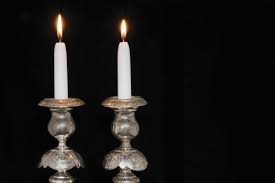
This night is different. The candles we light are festive reminders of faith and hope. I hear my mother blessing with her lips the Hebrew formula of praise and pleading with her heart the motto of her depression: This too shall pass. The flickering flames fight for survival. We need them to win; we need them to brighten the darkness of despair; to lift the veil so that we can see there is a way up and out of this vast and deep valley of desolation.
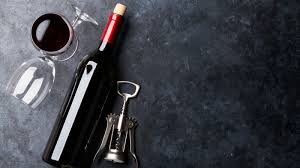
Thank God for wine. Whether red or white or any color in-between, pretend you are a master wine connoisseur, and let it linger in your mouth. Taste the earth, musky and full or dry and acid. There is a miracle on your tongue, the process from seed to bottle. It is worthy of blessing.
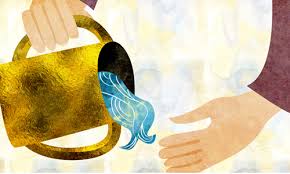
This night we wash. Hands in water in a bowl. In my house I pour from a pitcher and as a blonde and blue-eyed acolyte robed in white and red in a soaring cathedral, I offer my “priest” (the youngest child) the purity of being cleansed. But forget my silly fantasy. Add some soap to defeat the virus. Forget the bowl and pitcher. Wash well and as you lather sing an early Dayenu.
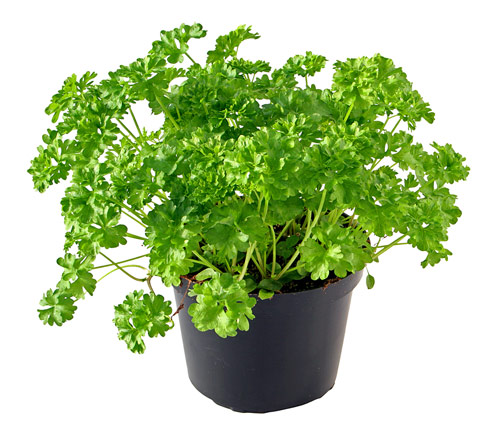
Parsley, peas and peapods, anything that grows green. It is Spring after all. And that means hope dipped in salt water. And that means we will get through this. And that means: Next year in Jerusalem, Paris or even Rome. That means next year in a crowded room, shoulder to shoulder, hot and sweaty, my good clothes itchy against my skin. Next year back too long and boring and when will we eat.
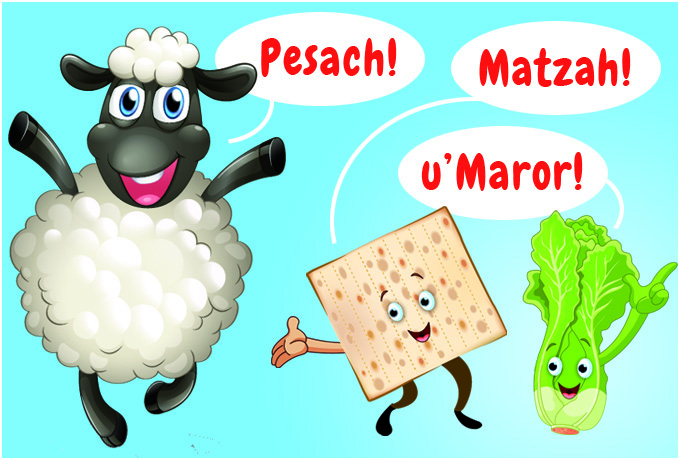
I guess this is turning out to be a different Haggadah or more precisely a different Seder. I don’t think I’ll get to all 14 steps and who has the patience for this anyway. It’s really all about the Matzah and the story that it tells. Rabbi Gamliel is quoted in the Haggadah as saying: “Anyone who has not said the following three things on Pesach has not fulfilled their obligation: the Passover sacrifice, matzah and maror.” So I’m saying them.
Pesach – in ancient times the sacrifice and aroma of roasting lamb. How much has to be sacrificed in order to preserve the miracle of freedom. The willingness to believe that we can be redeemed. That there is a force in the universe we can tap into to light our way and walk the murky path through a sea of reeds to the other side.
Matzah – break it now. Break it into two uneven pieces. (It would be a miracle if it split evenly.) The larger piece gets hidden. Maybe in the folds of your napkin; maybe in the margins of the book; maybe under a pillow; maybe behind a piece of furniture – hidden for a different generation to find. Because the story we tell of Egypt, slavery and the road to redemption is not just the story of us; it is the story of every generation; it is the story of them. I know we call it the bread of affliction but have you ever had matzah slathered with whipped butter and strawberry jam?
Maror – The Bitter herb. How much more do I need to say. It isn’t about denying the bitterness that comes with living. It isn’t about negating how hard it was to be a slave to Pharaoh. It is about recognizing the bitterness and finding a way to make it somewhat sweeter – like dipping the horseradish root into that mixture of apples or dates and nuts or apricots and wine and cinnamon or cardamom to make it bearable. So do you know what lettuce wraps look like in a restaurant: wrap your bitterness with the sweetness of family, friends, love, affection even if you have to do it from memory. Eat the Maror any way that works for you. But I would do it like Hillel used to, sandwiched between two pieces of Matzah, savoring with every bite the sweet and sugary stuff we call LIFE.
OMG! I almost forgot. Have you been sipping the wine? I hope so. The Seder calls for four glasses – each has its own promise. And with each sip we bless the story of liberation that we tell. It is a retelling of ancient truths that we are in this together. That we will find a way out of this together. That we do not tell this story just for us. We tell it to change the world connecting love and loss with life and liberty.
The Haggadah ends with a song about a parent and a goat. In one of my favorite poems, Nathan Alterman brings the song to life as his words help me conclude my Passover story. We are all clinging to the edges of the pages. We are living in the margins. But the strength of Passover is the promise of an open door and a world where plagues are drops of wine and each of us is living unafraid singing about tomorrow.
The Kid of the Haggadah
There in the market place, bleating among the billy goats and nannies, Wagging his thin little tail—as thin as my finger— Stood the Kid—downcast, outcast, the leavings of a poor man’s house, Put up for sale without a bell, without even a ribbon, for just a couple of cents.
Not a single soul in the market paid him any attention, For no one knew—not even the goldsmith, the sheep-shearer— That this lonesome little Kid would enter the Haggadah And his tale of woe become a mighty song.
But Daddy’s face lit up, He walked over to pat the Kid’s forehead—and bought him. And so began one of those songs That people will sing for all history.
The Kid licked Daddy’s hand, Nuzzled him with his wet little nose; And this, my brother, will make the first verse of the song: “One only Kid, one only Kid, that my father bought for two zuzim.”
It was a spring day, and the breezes danced; Young girls winked and giggled, flashed their eyes; While Daddy and the Kid walked into the Haggadah To stand there together—small nose in large hand, large hand on small nose.
To find in the Haggadah— So full already of miracles and marvels— A peaceful place on the last page, Where they can hug each other and cling to the edge of the story.
And this very Haggadah whispers, “Join us…you’re welcome here … you belong, Among my pages full of smoke and blood, Among the great and ancient tales I tell.”
So I know the sea was not split in vain, Deserts not crossed in vain— If at the end of the story stand Daddy and the Kid Looking forward and knowing their turn will come.
It’s time to write a book. Or at least it’s time to put my files in order. Or maybe buy that scanner and get rid of all that paper. Or start an online course or find a good book but of course I am doing none of it. All I tend to do is run down my battery on my laptop.
Although I did make a “Mellow” playlist this morning on Spotify. Kudos (there is probably a more “woke” word than that) to Lab/Shul for their link to a Healing Playlist. https://open.spotify.com/playlist/6ZLvq2LbdOxDn6MMsBFA1B
It probably isn’t for everyone, but it felt good to at least do something. (PS – it is possible the link won’t work unless you have Spotify — above my pay grade.)
I don’t know about you, but I feel somewhat powerless. I am observing the laws of social distancing and sheltering in place. Whoever came up with these phrases did a good job knitting them into our shared language pool. I am washing my hands way more than ever before and have discovered that the creases in between my fingers are part of my hands as are the backs or tops and they all need to be scrubbed in the 2X Happy Birthday ritual. I am not making fun of any of this. I am commenting to myself how we create and develop new social norms.
What is true for me is that as isolating as all of this can be, the reality that it teaches me is that we are part of the same collective. There is an organic connection between us, and the virus is teaching us to be conscious that we are connected in many more ways than we ever thought. It is teaching us to be appreciative of the people who care for us like the medical community, like the education community, like the people who stock the shelves of our grocery stores, like the manager at Publix who greeted everyone who was in line to get into the store cheerfully, handing them an already sanitized cart.
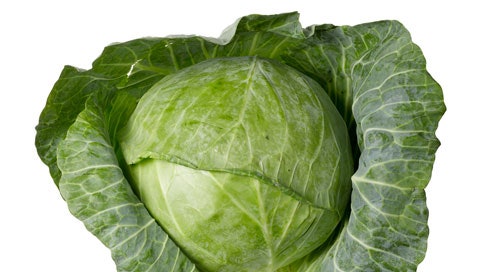
It is making us adapt in large and small ways. Like I thought we were making chicken soup today but there was no chicken. So, I am going to try and recreate my mother’s sweet and sour cabbage borscht. (I guess the book will have to wait.) It is reminding us to be kinder It is connecting us even as it separates us. Loudly and clearly it says: this is a very small world and what happens in China happens here. And wouldn’t it be great if at the end of the day it motivated our world to work collectively and cooperatively because all borders are really artificial.









 rabbiunplugged