The Sinai Lesson

Tonight is Shavuot (at least as I am writing). It is the holiday on which we celebrate the first fruits of the Spring harvest and the revelation at Sinai. It is one of the least observed of our holidays even though it is Biblically mandated and has an important message. It reminds us that at our core we are a people with a mission. We are a people who listened and accepted the revolutionary idea that there is meaning to our being beyond the limits of our bodies. Whatever you believe about the narrative in Exodus that recounts the Sinai experience complete with a golden calf and shattered tablets, we have accepted its truth and its commandment: that there is a higher law whether filtered through historical writings or delivered from a Divine Source right into the hands of Moses our teacher.

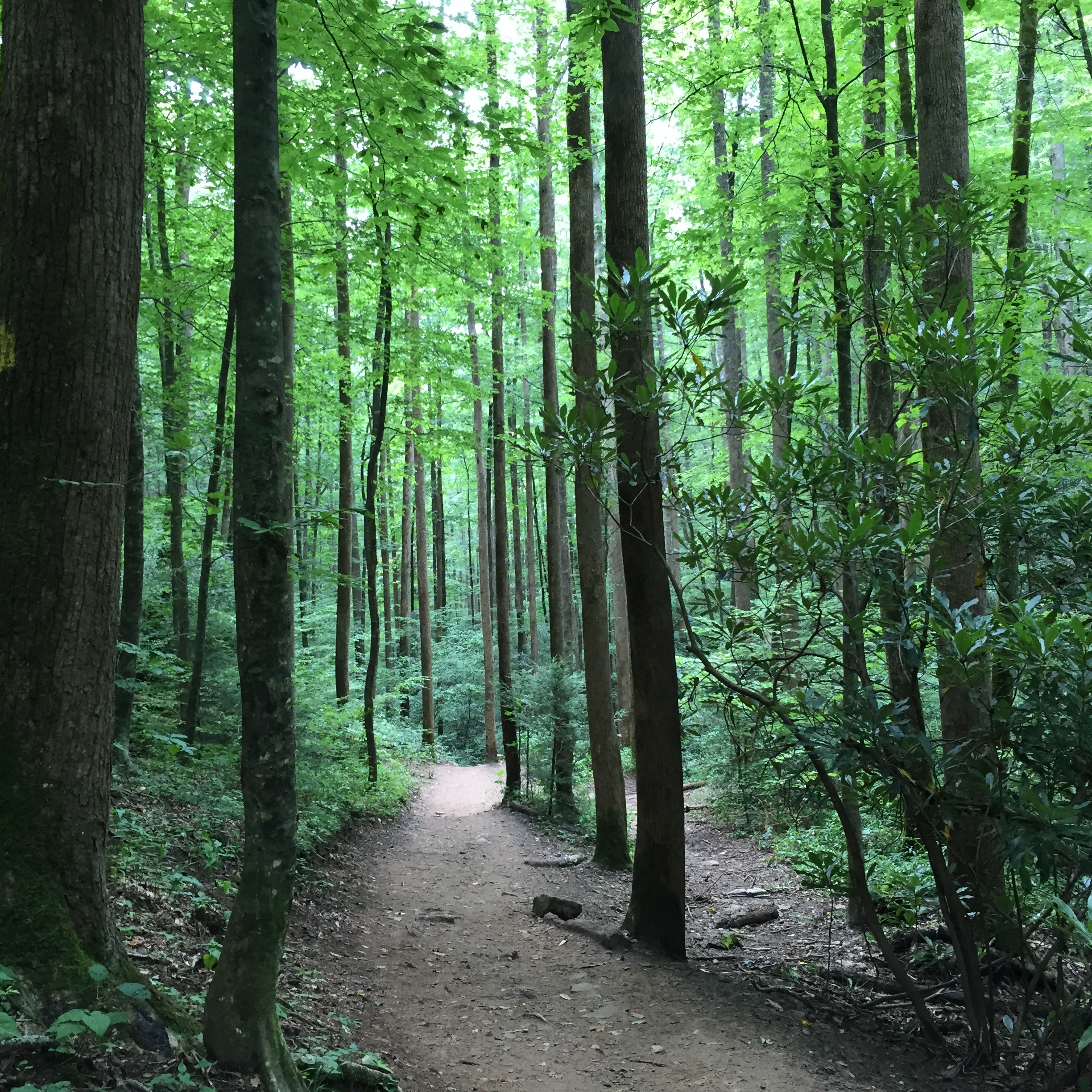
Some people think there is only one way to live the mission: black hats, black coats, covered hair, fidelity to ritual and halacha. I think every individual has the right to find their own way and there are many paths that lead to Sinai. When Tom O’Brien and I taught at FAU Lifelong Learning, we would end our session with a slide with an image of a path in the woods with the words: “Walker there is no road; the road is made by walking.” I don’t remember where we found it, but it has always spoken to me about how we make our way through life by living it with appreciation and purpose. Life is a gift. It might also be an accident but it’s still not to be taken lightly.

The Sinai lesson is that the paths we forge are not for our sole passage but that the generations that came before us and the generations that will come after us are depending on how we walk and where we put our feet. The Shavuot story reminds us that we all stood at Sinai; we all heard the words and accepted the obligations. We are called Israel – the one who struggles with what it means to be human or to put it in traditional language – what God wants from us. And If truth be told, we are having a hard time with it right now. How to defend ourselves and still look ourselves in the mirror, How to stand up to hatred without hating back. How to listen to the voices in our community and nation that we don’t agree with and not write them out of our circles.

You know I am speaking about Israel and her current government. You know I am speaking about the United State and our current administration. You know I am writing this to myself because this holiday we begin tonight says: We can do better.

Oranges, Olives and Lemons

It feels like every year there is a new item to add to your Seder plate or a new reading to insert before the second cup or the eating of answering of the four questions or the telling of the story. This year its lemons. Lemons for their color; lemons for their taste; lemons for the hostages sitting still in darkness and wondering if they will ever see the light. I like how the tradition grows and how it adapts. I like that it is not frozen in time or place but that it is living and breathing.

Yes there is an order to the Seder. And I follow it more or less. And the words written centuries ago take on different meanings almost every year it seems. Like the word “enough” – in Dayenu – it would have been enough. Yes. the poem/song lists all the things we have historically experienced as a people from leaving Egypt to discovering Torah and Shabbat, from building the Temple to entering the Land. Any one of them would have been enough. But there’s another way to roughly translate Dayenu. (Hebrew scholars look away!) It is enough. Enough with war; enough with Hamas terrorism; enough days the Hostages have lived in tunnels; enough bombings and death of the innocent both Palestinian and Israeli; enough tariffs, enough ICE, enough presidential privelege and power grabbing; enough shirking of congressional responsibility in leading this country.

The trick in leading a Seder is to balance the ritual, text and free flowing discussion. People sometimes tell me that they went to a “real” Seder where they read the whole Haggadah and even went back after the meal. If I could rewrite the order of things I would put Elijah before hard boiled egg – Elijah is the harbinger of hope and promise – that opening of the door isn’t just to welcome a spirit to sip the wine. that opening of the door is an act of faith that we can make tomorrow better than today.

Of course we’re not doing so good with today. Hence the lemon. The piece I saw says put the lemon on the Seder plate and slice it right before Maror. Add it to your Hillel Sandwich – so the bitterness of slavery and sweetness of freedom are integrated with the sharpness of the hostages’ fates.

At LabShul, one of the out there congregations in our country has a heading on their Seder instructions which I love. SEYDER: Say More/Read Less. So here’s my take: This is all about a discussion. It is not about slavishly following the text. It is reacting and intereacting with the tradition. It is about interrupting the leader. it is about questioning the rituals. It is about lemons, oranges, and olives.

Choosing to Hope

Some of you are not going to like this but I am “unplugged” which means I am not connected to any power grid that might like to restrict what I have to say. So, I am going to tell you that I haven’t been this excited about the possibility of our national politics as I am right now. And I am willing to admit that I might be being manipulated and or naïve and or played but I like the feeling, and it is a combination of hope and joy.

There you have it. If you have been watching the Democratic Convention you know where this is all going. I am excited to vote for something once again as opposed to voting against someone. I love the enthusiasm; I love the excitement; I love the belief that this country with all its flaws and problems is an America filled with promise and filled with potential. And even if we disagree or differ in how we see tomorrow or yesterday, we are one nation, indivisible with liberty and justice for all.

I just finished rereading “When Breath Becomes Air” by Paul Kalanith. One of the sentences that stopped me was: “The word ‘hope’ first appeared in English about a thousand years ago, denoting some combination of confidence and desire.” I wonder if that means that people didn’t hope before or there was just no way to express the emotion in English. Actually, I’m not really sure what that sentence means. I don’t think people can live without hope. Or maybe I shouldn’t generalize. I can’t live without hope.

The dictionary defines hope as the expectation or belief that something expected will happen. I think you can hope that something unexpected can happen as well. Like: I hope there will be a hostage deal and Hamas and Iran will stand down and Israel can live in peace. Like: I hope that we can have a substantive discussion on the future of our country and stop the name calling and childish snipes at one’s race or name. Like: I hope that the next Congress can govern and not quibble and put our country’s interest in place of their own. Like: I hope my grandchildren’s’ America is safer, brighter, fairer, more prosperous and healthier that my own.

I happen to believe that hope and faith are interconnected. In my world to have faith is to believe that your life has purpose; it is a gift; you are here to make this world a better place, sometimes just by smiling, sometimes just be voting, sometimes just by loving. Neither faith nor hope are passive – they demand action, and they have the power to change our world.

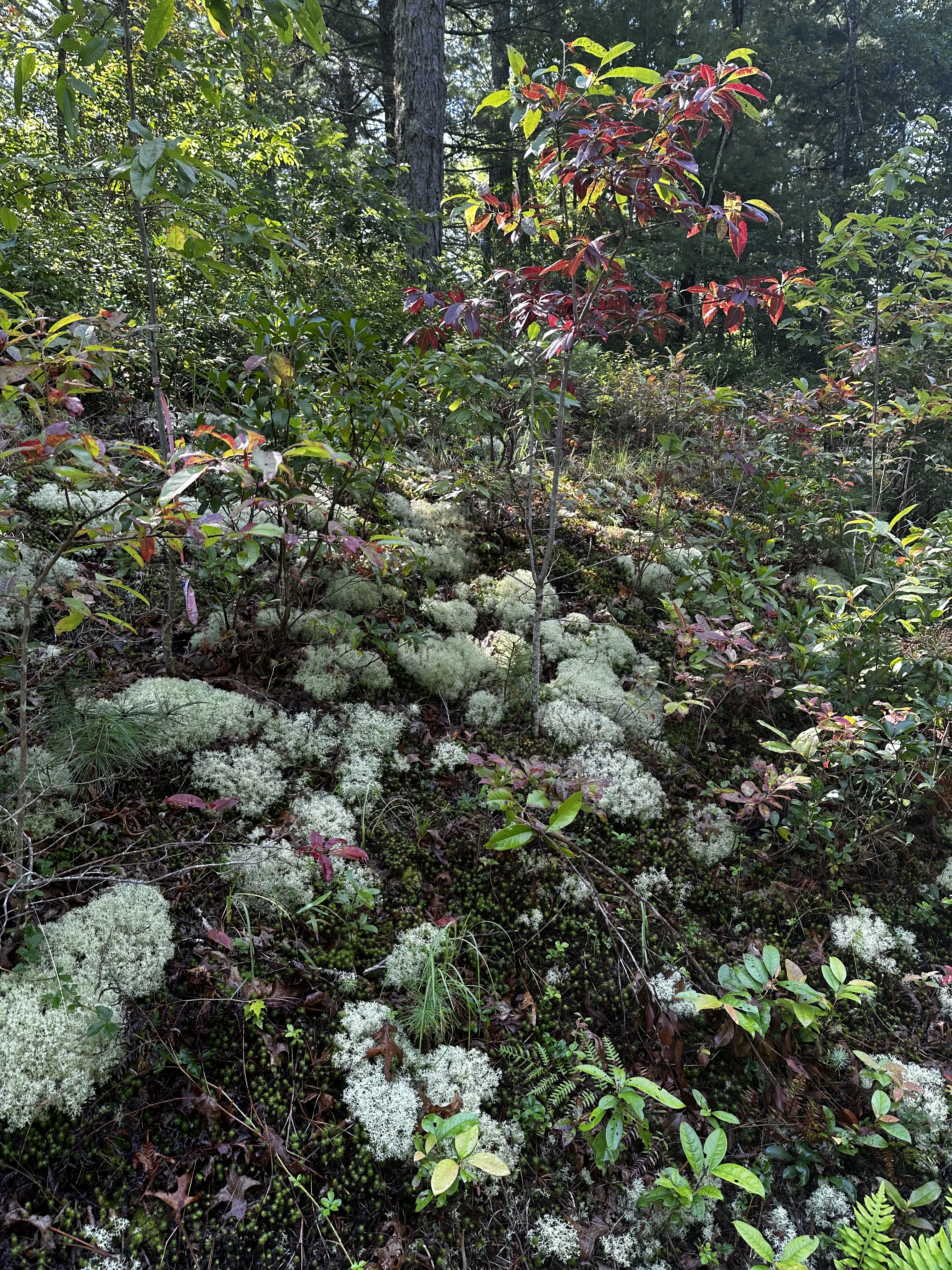
By the way the image at the top is moss. Moss has a mind of its own, growing in really unlikely places. I like it cause it is fairly unpredictable, like hope.

.

I Am Lord of Memory*

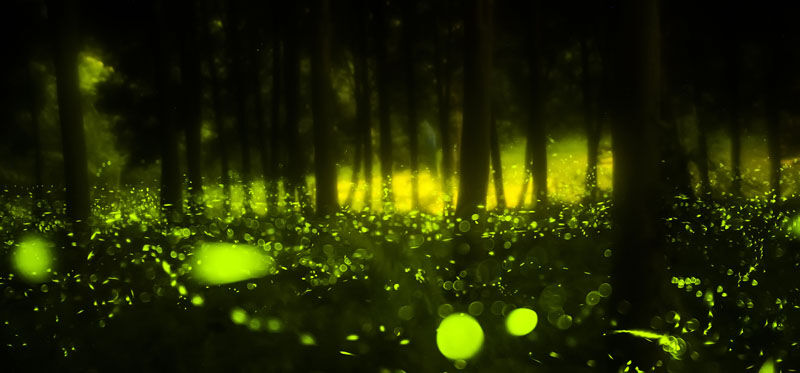
Eileen and I went to see Judy Collins the other night at the Brevard Music Center. She confidently walked on stage in a bright pink long dress with a black sequenced jacket. She proudly announced that she was 85 and from mid orchestra she was looking good. She peppered the concert with a lot of good stories and corny jokes. One of the many things I did not know about her was the relationship she and Leonard Cohen had. She credits him with “pushing” her to write her own songs and throughout the concert sang many of his more esoteric pieces. The concert was delayed for a half hour because of serious thunder and lightening but 2000 people still showed up even some June bugs or fireflies. They flashed in the dark as so many of us celebrated this night of memory.   

One of the Leonard Cohen songs she sang was “Priests”. It’s an elusive and mysterious song/poem about love, memory, loss – all that is holy. I went online to try and put the lyrics into one complete and cogent paragraph. I failed. For me it is the wedding of the haunting melody with the words; it is the marriage of the lyrics with the melody to my own memories.

This all came home to me yesterday when I learned that my friend and colleague, Rabbi Fred Pomerantz died. I knew he was having health issues, but he wasn’t supposed to die. I don’t know whether he loved being a jazz musician first and a Rabbi second or there was no way to separate the two. He was a drummer and the beat of his life and career were intermingled with great joy and deep pain. This is not the place to eulogize him, but it is the place to remember the intersection of our lives from Cincinnati to Closter. It was filled with laughter and tears, it was complete with searching and finding, questions about how to live so that the days of our lives didn’t become material for a soap opera. He was creative, funny and unique all in the service of our people and our Judaism.

Judy Collins isn’t that much older than Freddy or me. She stood on that stage for over an hour and a half and amazed me with her stamina. Sure, she had cliff notes; sure, she turned to her musical director to ask him for details she temporarily forgot; sure her voice has changed. But that’s life – it is all about change – nothing remains the same – and nothing can be taken for given or granted. And it was refreshing to be with her as she proudly celebrated who she was at this stage of living.

Between Judy and Fred it reminded me that no matter how old or how young, our challenge is to make a sacred noise, to sound the bells, to beat the drums, to hear the music of Divinity or the Universe pulsing through our cells. The challenge is to love it all; appreciate the moment; grow the good; minimize the bad; celebrate the remembered and forgotten. Be all you can be even when it isn’t all you were.

Right Freddy?

*From “Priests” by Leonard Cohen

Happy Anniversary


Dear Gentle Reader,

(To borrow a phrase from Lady Witherspoon of Bridgerton fame.)

You might remember my finding a stack of sermons in our storage unit all typed (like on an electric typewriter) on 5 X 7 cards – mostly green, some blue, all of them pre-word processing days from the mid-70’s to the early 90’s. They are mostly High Holy Day sermons and tend to have some common themes.

Here are some general impressions. They are too long and tend to be repetitive. They are inconsistent but some are brave, and some are foolish, and all try really hard to be relevant, some succeed. They are also incredibly “chutzpadik”. Who am I to be saying these things? Who am I?

Take the one about “Love and Marriage.” I didn’t date a lot of these sermons but in researching the books or articles I quote I think this one is from the mid-70’s. That means I was in my mid-thirties and had been married for maybe ten years. What the ……. did I know about love or marriage?

But it did begin with a great Chasidic story about two boys who used to like playing Rebbe when their father (the Rebbe) was taking a Shabbat afternoon nap. They would take turns and critique each other’s ability to model their father when he counseled people who came for advice. This time the congregant was asking his Rebbe about marriage as he recounted the quality of his relationship with his spouse. At the end of the play acting, the son who was playing the Rebbe asked his brother to critique his “performance”. His brother said: “You did great, and you said all the right things, but you forgot the most important piece of any Chasidic session. Abba (dad) always began with a sigh – all Chasidic stories must begin with a long, slow, deeply felt sigh.

And so it is. Today is Eileen and my anniversary. And I think a sigh is appropriate – the sigh that slows us down and invites us to reflect on the days and years of our marriage. The sigh that admits not every day was perfect but year after year we turned our challenges into blessings. 

Sighs come in many variations. There is the sigh that says: here we go again. Life has a way of repeating lessons unlearned. And it is hard to change; it is easy to fall back on old habits and ways. It is easy to point your index finger at and forget that there are three others pointing back at you. It is easy to forget the word of the day in a marriage is “us”.

You are probably getting the wrong impression here. Another sigh. We have and we are blessed. Not only with children and grandchildren who are a constant source of joy and pride. Not only with relatively good health given our years. Not only with affluence and influence and meaningful roles we played in society. Not only with people who love us and people we love. Not only with laughter and joy and even sorrow and loss – but most of all, we are blessed with each other in good times and bad times, in the work we do when we say: I love you.


Hello Again

We were in New York a few weeks ago.  Saw two shows and went to the Metropolitan Museum of Art squeezing into two exhibits: Karl Lagerfeld: A Line of Beauty and Van Gogh’s Cypresses. The exhibits and the shows were radically different: Parade – about the Leo Frank lynching somewhere outside of Atlanta in 1915 and A Beautiful Noise – the story and music of Neil Diamond from Sweet Caroline to Coming to America. We can talk about Parade in a different post.

Eileen and I were captured by A Beautiful Noise; loved the music; you could sing it; loved the glitter and the sequins; felt so good, so good, so good. Things I did not know: unlike many contemporary actors and performers, Neil Diamond never changed his name. He was born Neil Diamond and still is. He didn’t pick up the guitar till he was 16. Many of his songs are deeply personal mirroring different stages of his life. And so much of it is about acceptance and loneliness. I hear his music differently now: self-reflective and even soul searching. You got to get past the façade of bright lights and shiny costumes. Just like when you love someone you love not only their persona but also the person they are within, with all the beauty marks and all the flaws, with all the strengths and weaknesses. You see, I am not a music critic, and I am not a psychoanalyst. “I am I said, to no one there and no one heard at all, not even the chair…” We all want to be heard, noticed, felt that this one life we have is impactful.

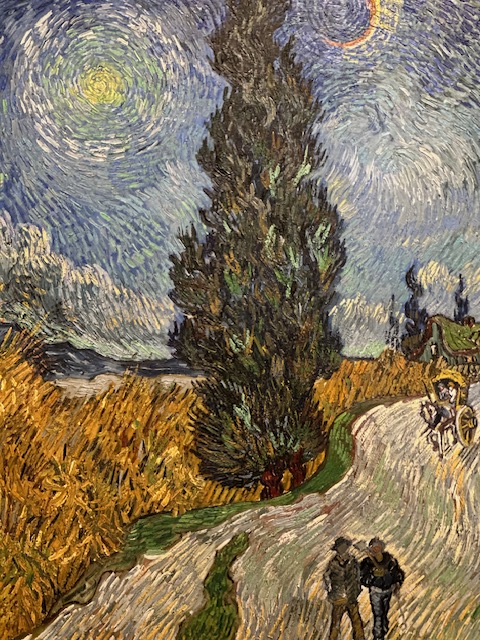
Some of us sing; some of us tell stories; some of us write; some of us nurture; some of us teach; some of us provide; some of us heal; some of us listen, some of us create; some of us grow things; some of us paint. And some of us struggle and can’t find the road back. It might be ridiculous or ludicrous to pair the two but the Van Gogh exhibit at the Met wants “in” to these words. The image at the top of this is Van Gogh’s “Country Road in Provence by Night”. He was obsessed with these cypress trees. He calls them “flame like” and even writes, “no one has yet done them as I see them.” Maybe it’s the loneliness theme. I often wondered do you have to be lonely or besieged to be creative. Is suffering the secret ingredient in the paint on the palate?

The painting isn’t as famous or as intense as Starry Nights, but it speaks to me about the life we have been given and the road we all are invited to take – one that winds through and by the trees. There are probably many paths, and they change as we grow, age, mature, become. The challenge is to recognize it, stay on it, celebrate it, affirm it, walk it with as much joy as we can muster no matter what God/Life/Chance/Luck bring us. Van Gogh died of suicide. Neal Diamond has Parkinson’s. What do we really know?

Waiting

I’m waiting for Kohler to call me back. The kitchen faucet spray button has fallen off and I can’t get it re-attached. Neither can the very nice person at Ferguson who looked at it and said, “here is the model number and the name of the faucet. Try calling Kohler and see if they will replace the head.” After several attempts at sending me to their website, the automated voice command told me I had a 12-minute wait. I didn’t take that as a promise. Eventually they offered me one of those call back options when the next available customer service rep was available during normal business hours.

I am optimistic but realistic. So much about life is about waiting. On my good days I can transform my waiting into anticipating. Like right now I am anticipating that this is an exercise in futility. It turns out I am wrong. It turns out I have to take back all the negative thoughts I had about getting a return call. And I have to take back all the predictions that they wouldn’t do anything about my issue. Andrew called me back just now and asked that I send them a picture of the broken piece to their email address. They say they are replacing the head! Ten to twelve business days. I can wait that long.

And then the phone rings again. Well, it doesn’t actually ring. Cell phones sing; cell phones buzz; cell phones chime; they make tonal music. But it doesn’t matter. In an instant the minutia of kitchen faucets became inane. The other side of the line (although there is no line anymore) was in crisis. It jolted me back to how tenuous our existence. How true the Yiddish saying that roughly translates into: We plan; God laughs. How we think we are in control of our lives, and we can expect things to evolve in the order we have programmed – but – we all know – life is unpredictable, and the art of living is managing the unexpected.

That brings us back to waiting. We expect our lives to progress in an even course. My Aunt Molly whose life was filled with sadness would say: Don’t kid yourself- we are all just waiting for the other shoe to drop.  In Jewish tradition we know about that other shoe just as we know about waiting. Some of us wait in-between eating milk and meat. We wait after a loved one has died before resuming our everyday routine. We wait for Yom Kippur to end so we can break our fast. We wait for the Messiah to change the arc of history. We wait for humanity to live up to its potential.

There is an argument about the characteristics of waiting. Do we just wait and anticipate that there will be a Divine intervention, or do we fill our waiting hours with learning moments finding patience and clarity as we hone into a new perspective about ourselves and the quality of life around us. Waiting it turns out is not passive. It gives us room to grow and time to process the unexpected. Waiting gives us opportunity to change paths; to deepen our experience of the now; to be surprised or disappointed; to feel.

I’m getting a new faucet. It’s the little things, you know.

I

God Strings

I was going to call this Two Weddings and a Funeral but it turns out that it is a South Korean Romcom about a gay man and a lesbian woman who marry to protect their secret lives in a society filled with taboos and judgement. I actually had my numbers wrong. I was thinking of “Four Weddings and a Funeral” the British comedy with Andy McDowell and Hugh Grant. The plot is predictable, the ending happy and the stars ever so young.

All of this is in my head because our summer is its own movie: two weddings, three graduations and one memorial celebration of life. All of them involve a plane or two and are forcing us to make both physical and digital folders for all the arrangements. Not complaining here at all. The first graduation (Jacob, your turn for a shout out) has just ended. And I was so aware as I watched the ceremonies all over the Duke campus, how blessed we are, living the Shehecheeyanu moment. (For those readers who are Hebrew challenged and find the word hard enough to read and almost impossible to pronounce: it translates ‘who has kept us alive’.)

We take that blessing so lightly. Maybe it’s the belief structure around it, praising/blessing God for being so personally interested in us, watching over us, preserving us, and allowing us to reach this moment. Maybe it’s the familiarity or the frequency. Jewish tradition invites us to say the blessing on so many occasions from a New Year to the first night of any holiday to new life events. For me I think it’s the theology: Does God need our blessings? Or do I need to bless. Meaning: I need to recognize the specialness, sanctity, uniqueness of the moment. Does God need our praise or do I need to stop and mark with gratitude and humility how lucky (read ‘blessed’) I am to be alive, aware, and sentient at this time.

I came back from the weekend and the next morning took a Yoga class. At the end of Savasana (the final resting pose in many Yoga classes), the instructor read a teaching about God and Oneness. It taught how many of us tend to think of God in dualistic terms. That there is God and there is us. God is up there or out there, and we are down here, separate from each other. But all that is illusion. There is only oneness. There is only “existence” and as we live in God so God lives in us. We are connected to each other, to the world, to the cosmos both inside and out. We may perceive moments and events as separate, but they flow into each other and out of each other as the waters in a bubbling stream.

All of this is my way of saying Shehecheeyanu again. Not just for the life events of this summer but for every moment. Our being is a gift. Life is a gift and gratitude is the foundational posture upon which a life of meaning stands. So, thank-you to our 3 graduates: Corey, Maya and Jacob. You remind me how sacred life can be. You remind me we are connected in ways astounding and holy. I think I will call them God Strings.

from the bottom up

I feel so stupid starting off with a couple of stalks of flowers, when children are being killed in classrooms; the newest television series is produced by the January 6th committee; the rights of women to control their bodies seems to be eroding; there is a war in Europe and Ukrainians are dying for our freedom; and every day the cost of everything seems to be rising. I bought two ice cream cones yesterday at over $5.00 each. (Granted they were waffle cones, but they were classified as smalls.) And there is nothing complete about this list.

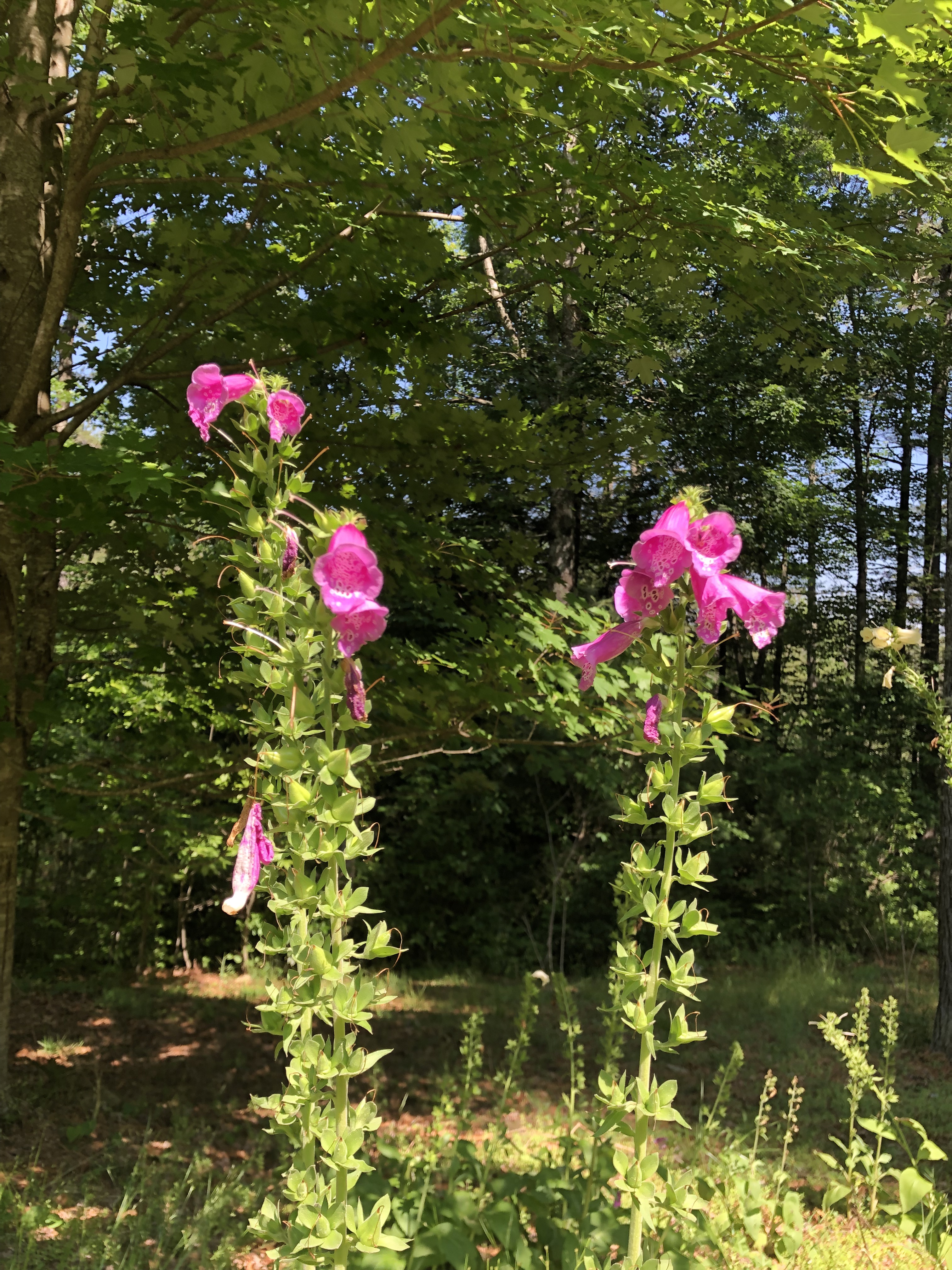
There is so much happening in our world it is hard to focus on the simple things that remind us that we are not the only living things that inhabit this orb that is steadily hurling through space in a predictable arc. I am looking at the last flowers of the Hollyhocks proudly blooming. They seem to bloom from the bottom up which by the way takes me right back to the politics of this fragile democracy we call America. It too blossoms and flourishes from the bottom up. My reading of American history is that the framers of our political system wanted our representatives to be responsive to us. They are not landed gentry; they are not noble men and women who are entitled to power based on their class. They are us and are supposed to be listening to us. When they don’t, America is precariously close to being broken.

I remember the wild hollyhocks from my youth when they would grow alongside the grey cement walls of the apartment building in Dorchester or maybe even the one we lived in before that in Roxbury. It’s a long time ago and almost the length of the Atlantic seashore away. I doubt if anyone planted them. In the world I remember no one had time to plant flowers. If you planted anything it was vegetables – most likely tomatoes – or am I confusing my Jewish upbringing with an idealized version of our Italian neighbors. And is all of this memory pieced together from the movies and stereotypes?

I didn’t plant these hollyhocks where they are growing now. When I bought them at a local nursery, they told me they would blossom every other year. So, I placed them near the house where I would remember to watch over them and patiently wait. But they had a mind of their own and somehow, they wound up happily flourishing near the tree halfway down the hill. I guess the world has a mind of its own; we probably should listen to it more often.

And So I Begin (Again)

Eileen does not do digital fluidly. So, we have a drawer full of recipes she has printed from any number of internet sources. Yesterday I decided that I would begin to enter them into a recipe file on my desktop. I began by typing them. Then I figured out that I could take a picture of them with my phone and air drop them to my computer. That works with those recipes that are one pagers. I don’t know how to combine multi-page recipes into one doc. We all have our limitations, that’s for sure.

Now it is amazing to me that I have decided to go back to blogging and begin with food. Well, it is Passover and for some reason I am always hungry. And believe me I eat plenty of Matzah: Matzah with whipped butter and salt; matzah with thick strawberry jam; gluten free onion matzah with just about anything that isn’t sweet. Left over Sephardic charoset (the kind that is pasty) as candy. And those dark chocolate covered apricots they sell in Costco…. Don’t ask.

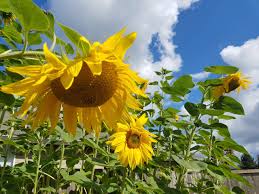
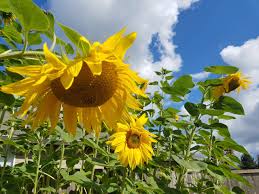
Which brings me back to why I am beginning again with food. Cause I can’t handle the world. There is a reason why some of my sunflowers hangs their heads in shame. They can’t look. It is too painful. The weight of the nightly news oppresses. Better to look away and find other distractions. I am guessing that if there are any of you who are still willing to read my “unplugged”, you are disappointed.

I am also. I don’t believe we have the luxury or a right to “look away”. Isn’t that the sin of all good people? And I’ve made my donations to Ukraine and HIAS and candidates I believe in; and I wear a mask on a plane; and I got my fourth booster; and I follow the news both morning and night; ….

But this is just almost too much. Maybe I’m just old. And it is easier to do wordle than to engage the world. Yea…. I agree. I need a more up lifting ending. But maybe you begin by recognizing where you are. And I am ashamed of the state of my mind, the state of my state and the state of our world. And I don’t see myself as depressed. I feel I am just stating what is real.

Enough. Tomorrow is a new day and a new dawn and the possibility of new blessings.

Upping the Ante

Last night was billed as one of the best nights to go out and see meteor showers in Western North Carolina. The moon was cooperating and fairly new; the clouds decided to remain on the edges; the air was cool, and I even put on a light sweatshirt. They said the show would be best after midnight and even better before dawn. But that time frame was not really realistic for me, so just after ten, I shut off all the lights in the house, took a flashlight and went out to the deck and lay down, my eyes scanning the sky.

I wish I had a camera that could have captured the moment. Well, not right away – it takes a while for your eyes to adjust to the darkness and begin to see what is really there, a universe so vast and awesome that I know these words are a feeble attempt to describe. The frogs were croaking down at the edge of the water; the cicadas were louder, buzzing and pitching a symphony of vibrations; the shadowed outline of the treetops politely framed my canvas and there I was alone yet a part of a whole I tried very hard to comprehend. The poetry of the Psalmist helped especially the question: “When I see your heavens, the work of your fingers, the moon and the stars you fixed firm. What is man that you should note him and the human creature that you pay him heed…” (Psalm 8:4 – Robert Alter translation). Theology aside, the Biblical poet captured my feelings.

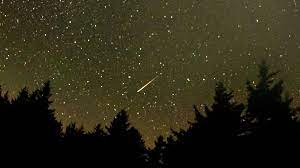
Who am I in the scheme of this vastness? Why am I here and where is here anyway? The Perseid meteor shower did not disappoint. At first, they were just like darts of light playing with my mind. They would appear and disappear in the space of an instant. But then God decided to up the ante and show me awe and amazement. It came from the northeast and shot across the night sky. Brighter and more intense than the stars in the background it was an arrow of light pointing to infinity. I use the word God as an anthology of thoughts and emotions – I have no pretense in believing that I know what the word means besides it points to a vastness of unlimited potential. Besides it pushes me to see the beauty and mystery of existence. Besides it offers me the opportunity to reflect on my place on this planet that is spinning through space and time surrounded by sparks of creation’s light. 

I wanted there to be more biggies – more arrows, more shooting streaks of light, more exclamation points but one is what I got. One is all I needed. One is all there is.